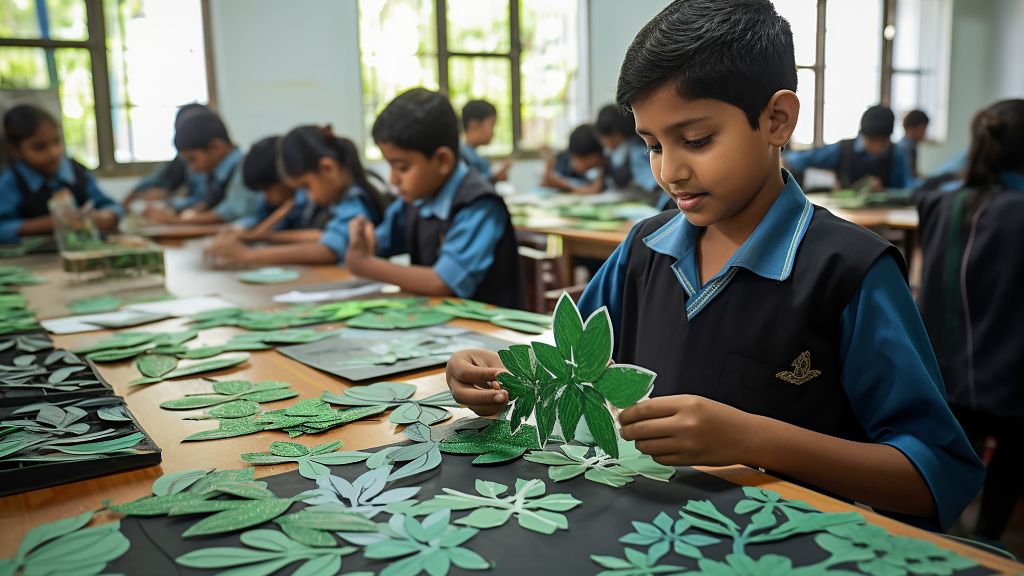
Understanding child development: a guide for NGO educators
The article is about early childhood development and its importance in shaping a child’s physical, emotional, social, and cognitive growth during the first eight years of life. It explains key developmental stages, how children learn through play, caregiving, and interaction, and the role of safe environments, parents, and educators. It also highlights practical approaches for NGO educators to support holistic development and shows how early childhood care can lead to better education, health, and long-term social progress.
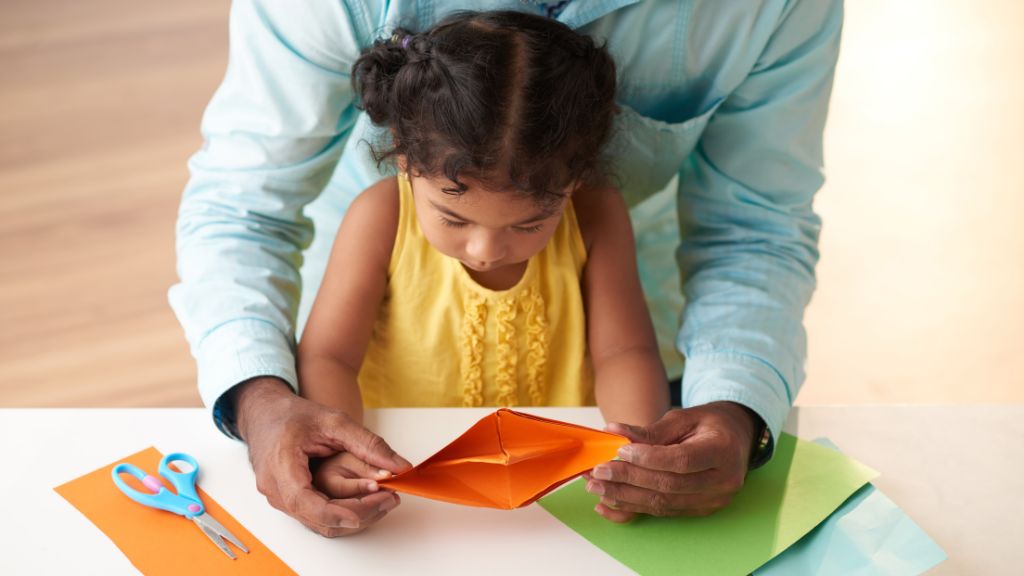
Childhood is more than just a phase of a person’s life; it represents the formative years that lay the foundation of a well-developed future adult. The brain grows and evolves tremendously from birth until about eight years of age. Therefore, it is important for NGO educators to understand child development so that they can ensure that children have healthy, appropriate, and positive childhood experiences. The following guide provides the key insights into various aspects of childhood development.
Key stages of child development
Childhood development occurs in several distinct phases as per the particular stage of life and age. Stages of child development are closely related and affect one another. For instance, language development impacts social interactions.
Prenatal to 2 years
This is the fastest period of development that begins before a baby is born. Development of the brain begins before birth and continues vigorously after birth.
In this stage:
- Sensory perception helps build neural connections.
- Bonding with the caregivers establishes emotional security.
- Nutrition supports proper development.
This stage is known as “the first 1000 days,” which is critical for the individual’s future success.
Early childhood
Early childhood (2-6 years) refers to a quick development of language, mobility, and interactions.
During this stage, children:
- develop initial communication abilities;
- start exploring their surroundings through playful activities;
- emotional relationships strengthen with peers and adults.
This period is marked by the peak of imagination, which makes it possible to apply guided exploration activities.
Foundational stage
The foundational stage of development is the period between 6 and 8 years, when children enter formal schooling.
During this stage, children:
- develop basic literacy and numeracy skills;
- start developing logical reasoning;
- and social skills begin to develop in a structured manner.
This stage will influence children’s future achievements and success in education.
How children learn: key principles of childhood development
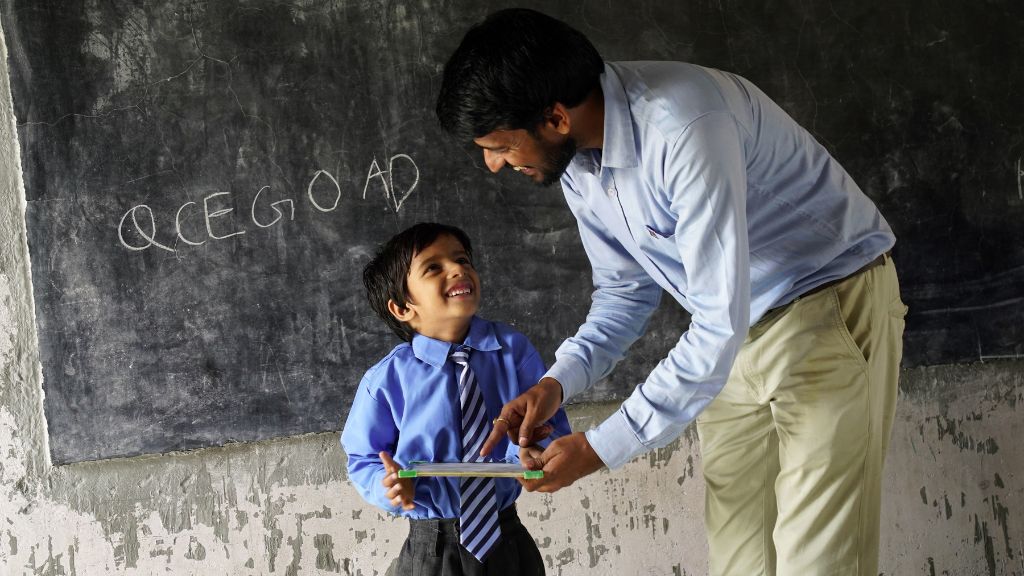
For efficient support of their development, educators should consider the ways how children really learn. The following are the basic principles of childhood development.
Responsive caregiving
A positive emotional background is one of the most important factors influencing children’s learning. Responsive caregiving involves active involvement in children’s needs. We share elements of this below:
- Talking: listening and interacting with caregivers increases trust.
- Emotional safety promotes brain development.
- Good interpersonal relationships facilitate learning.
Supportive relationships are essential for children’s development.
Play-based learning
Playful activities are critical. They have the following beneficial results:
- Encourage imagination and creativity.
- Problem-solving skills are improved.
- Social interactions take place.
Playing helps children to explore the world around them and acquire new skills.
Repetition and interactions
Children learn through repetition and interactions with the environment:
- Repetition creates stronger neural connections.
- Interactions provide deeper learning.
- Practicing promotes mastery.
Even simple actions like storytelling or games could be beneficial for children.
Safe and stimulating environments
The importance of the environment cannot be underestimated, as it has an important influence on development.
- Safe environments are conducive to exploring new things.
- Interesting learning materials encourage the discovery process.
- Routines create stability and order in daily life.
Properly organized surroundings help with both psychological and cognitive aspects of development.
What works for the effective development of a child
The effective development of a child requires the combination of several techniques. Below are the methods that NGO educators can apply even in places with low educational resources.
Holistic development approach
Child development is broader than academic success. It involves physical, mental, emotional, and social development. The holistic approach is based on the following factors:
- physical health and proper nutrition;
- mental well-being;
- good social skills;
- learning readiness.
Considering these essential components of child development simultaneously is important.
Play-based and experiential learning
With the help of experiential learning, children get a chance to study through experience. These may involve:
- storytelling, drawing, and other games;
- problem-solving exercises in real-life situations;
- hands-on training.
The learning process will become more interesting and memorable for the children with play-based learning.
Parent and community engagement
Parents play an essential role in children’s education, being their first teachers. They can further enhance the knowledge of their children with:
- home-based activities;
- awareness about good and bad;
- social connections.
Parental involvement will make learning more continuous, helpful, and wholesome.
Training frontline educators
Educators are critical in creating effective early learning programs. Therefore, it becomes essential to train them well. This is because:
- Training increases the quality of instruction;
- Knowledge of contemporary practices increases efficiency.
- Ongoing training boosts educators’ self-assurance.
By focusing on educators, we will have positive developmental impacts on children.
Focus on foundational skills
Early fundamental skills lay the foundation for future academic achievement.
- Language skills can be learned through storytelling.
- Numerical skills can be learned through everyday activities.
- Social skills can be learned through group interactions.
A child’s basic skill set ensures that they are adequately prepared for formal schooling.
Child development as a tool for social change
Child development is a powerful force that can be used to change society. By investing in early development, both individuals and communities can reap long-term rewards. Quality care from an early age will guarantee the child’s success throughout their life journey.
Additional Impact Areas
- Positive educational impact: Improved school preparedness and performance
- Economic impact: Increased income opportunities in later life
- Social impact: Equity within and among communities
- Health impact: Improved physical and psychological health
Early childhood intervention programs decrease dropout rates. From the perspective of NGOs, this shows the significance of early childhood interventions as a development strategy.
Conclusion
The formative early years offer immense opportunities to influence the life of a person in the future, and their effects are everlasting. The responsibility of NGO educators lies not only in making their work effective, but also in the challenge of shaping the lives of children positively. Early intervention is an indispensable component of the development of an equitable society.
FAQs
Why is early childhood development important?
Childhood development affects the person’s growth, learning and behavior during the most critical period of their development. A good beginning in childhood helps in developing a better, sharper individual in later life.
How can NGO educators support child development?
NGO educators could make the learning process more comfortable and fun, and use play-based teaching approaches. Also, they can get help from parents and provide emotional and cognitive support.
What are the common issues in the development of a child?
The main issues are the lack of proper nutrition, stimulus, funds, and educators. Such problems lead to poor cognitive, emotional, and social development of a child.
How does early learning affect one’s later success?
Early learning contributes to the formation of communication, problem-solving, and other vital skills. Those skills affect academic achievements and professional success in future years.