
Types of fundraising suitable for NGOs: a practical guide
This article explains the different types of fundraising methods NGOs can use to secure sustainable funding and achieve long-term impact. It covers six major fundraising sources-grants, CSR funding, individual donations, online crowdfunding, fundraising events, and in-kind contributions-highlighting their benefits, challenges, and ideal use cases.
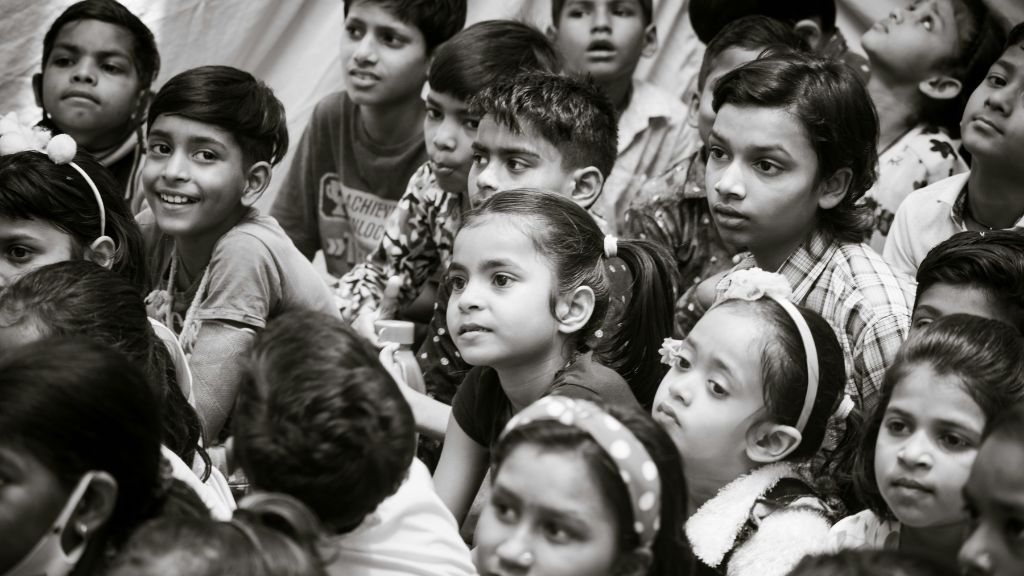
The most common types of fundraising for NGOs include multiple government and foundation grants, CSR (Corporate Social Responsibility) funding, individual donations, online crowdfunding, fundraising events, and in-kind contributions.
However, each of the methods serves a different purpose. If you run an NGO or want to get a clear idea of how the strongest NGOs use a combination of several funds to stay financially stable and mission-driven, this article is just for you.
Why fundraising strategy matters for NGOs
Picking the right mix of NGO fundraising methods isn’t just a finance decision. It directly affects how long your organization can survive, scale, and serve the needs of your NGO. Here’s why a diverse fundraising approach matters:
- Regulatory pressure on different foreign funding is real. India’s FCRA (Foreign Contribution Regulation Act) has tightened the funding factors after the 2020 amendments. Due to these, thousands of NGOs have already lost their registration, cutting the overall access to foreign donations.
- Single-source dependency is another sustainability risk. NGOs relying on only one funding source face a higher closure risk.
- Donor priorities also significantly shift. When a corporation or foundation funds this year, it may not be funded next year. This is why connecting to multiple channels protects your programs.
- Different goals need different tools. When you plan for emergency relief, you need crowdfunding. On the other hand, long-term programs need grants.
6 key types of fundraising for NGOs
Non-profit NGOs often try to diversify their income streams by utilizing multiple types of fundraising. Before deciding on fundraising strategies for nonprofits, below are 6 key types of fundraising methods available for NGOs.
1. Grants (government and foundation funding)
What it is: Grants are funding from government agencies or private foundations that you apply for. In India, there are relevant government schemes under NITI Aayog and the Ministry of Social Justice and Empowerment. Similarly, there are some private foundations, too, named Ford Foundation and the Azim Premji Foundation, which are also popular.
Best for: Program-based NGOs help to write detailed proposals and manage proper reporting requirements.
Things to know:
- Grant applications are a well-structured approach that comes with clear timelines, a proper budget, and measurable outcomes
- The government grants check whether NGOs are registered on the DARPAN portal, which is NITI Aayog. Before applying for this, match your focus area and opt for proper foundation grants.
Tip: Don’t apply for all the funding schemes; rather, focus on a proper application.
2. CSR funding (corporate social responsibility)
What it is: CSR funding is known as Corporate Social Responsibility. Under India’s Companies Act, 2013, eligible companies with a net worth of more than ₹500 crore, ₹1,000 crore or even a net profit of ₹5 crore or more, must spend atleast 2% of their average net profits through different CSR activities. As per the 2022-2023 financial year, total CSR funding for NGOs in India has already crossed almost ₹26,000 crore.
Opportunity: NGOs can pitch to different corporations whose CSR mandates align with their donation work. Furthermore, an NGO that focuses on skill development can approach different manufacturing companies with proper and workforce-related CSR goals.
Benefits beyond the money:
- Access to skilled employee volunteers
- Marketing support and co-branding
- Credibility from a corporate association
Tip: It is necessary to develop a clear and one-page CSR proposal that speaks the corporation’s language, outlines the corporation’s outcomes, measurable impact, and proper alignment with their stated CSR policy.
3. Individual donations and major donors
What it is: Individual donations and major donors are different from CSR and crowdfunding. Non-profit NGOs, High Net-Worth Individuals (HNIs), and recurring donors receive proper and more donations.
Key tactics:
Personalized communication matters. Studies on proper donor behavior show that almost 71% of donors feel more connected and engaged when they receive personalized outreach plans rather than generic mass emails.
Get your 80G registration in place. This allows Indian donors to claim income tax deductions on their donations. It is an effective tool to encourage proper donations to the needy.
Build a recurring giving program. Monthly donors give more than one-time donors.
For HNI engagement: Host exclusive impact briefings that offer named giving opportunities (a scholarship, a ward). This helps maintain a proper and personal contact with major donors.
4. Online crowdfunding
What it is: Raising amounts typically through a specific campaign, sometimes it is not easy. This is where online crowdfunding for NGOs is one of the most popular and effective choices. Furthermore, leading platforms like ImpactGuru, GiveIndia, Milaap, and Ketto have made this much more accessible for NGOs of all sizes.
Best for: Time-bound campaigns can bring a significant and better impact with a strong human story at the center, a child needing surgery, or maybe a flood-affected village. Such genuine news can attract users.
What makes crowdfunding campaigns succeed:
- A clear and emotionally resonant story with photos or a short video
- A specific and achievable funding goal
- Consistent updates as the NGO campaigns progress
- Active promotion across different social media platforms, not just a link drop
Crowdfunding works best as a campaign tool, not just a primary funding strategy.
5. Fundraising events
What it is: Charity runs, events, and cultural evenings that raise money and also build greater visibility simultaneously. NGO fundraising methods are one of the few fundraising methods that can attract donors, volunteers, and media attention at once.
Best for: Community-focused NGOs wanting to grow their donor base locally and build a visible public presence.
What works:
- Recurring annual events compound awareness; the third year of a charity marathon will outperform the first
- Tie the event format to your cause (a run for a health NGO, a book fair for a literacy NGO)
- Use the event to collect donor data for future engagement, not just to raise funds on the day
Tip: Keep event costs lean. A well-run, low-overhead event reflects better on your organization than an expensive gala that nets less after costs.
6. In-kind donations
What it is: In-kind donations are non-monetary contributions. These include equipment, medicines, food, clothing, books, legal services, and overall support to continue their work.
Value: In-kind donations reduce operational expenses. A donated audit service or a proper software license is often worth almost lakhs.
Platforms in India: There are many leading platforms that work with NGOs. Donors who want to contribute to such leading platform organizations find these distribution programs excellent.
Important: Track and document proper in-kind donations carefully because they should be included in different financial statements and reported accurately to funders and regulators.
How to choose the right fundraising type?
It is necessary to choose the right fundraising type. Not every method works equally well for every NGO. This is why, below is a quick decision framework that you can consider:
| Factor | What to consider |
|---|---|
| Organization size | Smaller NGOs should start with crowdfunding or individual donors before pursuing large grants |
| Budget | Events and grant applications need upfront investment |
| Audience | Know whether your supporters are individuals, corporates, or institutions |
| Campaign goals | Urgent needs and crowdfunding for meeting long-term programs. Grants for different community events |
| Available resources | Grant writing needs skilled staff; CSR pitching needs relationship bandwidth |
Conclusion
There’s no single ‘best’ type of fundraising method for NGOs. The most sustainable organizations often use a smart combination of several grants and provide genuine program funding. CSR partnerships bring corporate support and volunteer capacity. Individual donors build a loyal base. Crowdfunding reflects both urgency and visibility. Events grow communities. In-kind donations stretch every rupee further.
Diversifying the planning and collecting payment across different types of fundraising is not just a good strategy; rather, a necessity for NGOs to survive their policy shifts, economic downturns, and changes in their funder priorities. Hence, start with proper planning and expand methodically.
FAQs
What are the most common types of fundraising for NGOs in India?
Grants, CSR funding for NGOs, individual donations, online crowdfunding from different platforms, such as GiveIndia, Milaap, Ketto, multiple fundraising events, and in-kind contributions are one of the most common and popular types of fundraising options for NGOs in India.
How can a small NGO start fundraising with limited resources?
A small NGO can start fundraising with limited resources. They can start by online crowdfunding, which requires minimal upfront cost, and they can be launched quickly for a specific campaign. At the same time, small NGOs can pursue 80G registration to make donations tax-deductible for Indian donors and begin building an individual donor base through personal outreach.
Is online crowdfunding effective for NGOs in India?
Yes, online crowdfunding is effective for NGOs in India. It works best for both time-sensitive and emotionally compelling stories that can be promoted actively on WhatsApp and social media. This is actually considered an evergreen strategy without the need for a strong campaign hook.
How many fundraising sources should an NGO have?
An NGO should have some fundraising sources. If one source dries up, the organization can get the chance to continue operating while rebuilding that specific channel.
What fundraising type has the highest ROI?
There are different fundraising types that have the highest ROI. Those include – Individual donor programs, especially recurring giving, tend to deliver the highest long-term return. Acquisition costs are upfront, but when you have a donor who gives consistently for years, you can use it to generate a strong ROI.