Pedagogical approaches for first-generation learners: NGO insights
This article explores the importance of pedagogical approaches for first-generation learners and how effective teaching methods can help address their unique learning challenges.
In many places where educational facilities are sparse, students come into classes without any assistance from their homes in terms of education. Especially, for many first-generation learners, it is difficult to get used to formal learning environments that often involve alien dialects/languages, cope with learning, and maintain study habits. They might also struggle with self-confidence and suffer from other socio-emotional challenges.
Traditional modes of imparting knowledge are not always sufficient to fill these gaps. Passive learning or passive transfer of knowledge can hinder learning and lower motivation for first-generation learners. Here is where pedagogical approaches can assist, as they will ensure the formation of classrooms that are active and learner-centric.
What are pedagogical approaches?
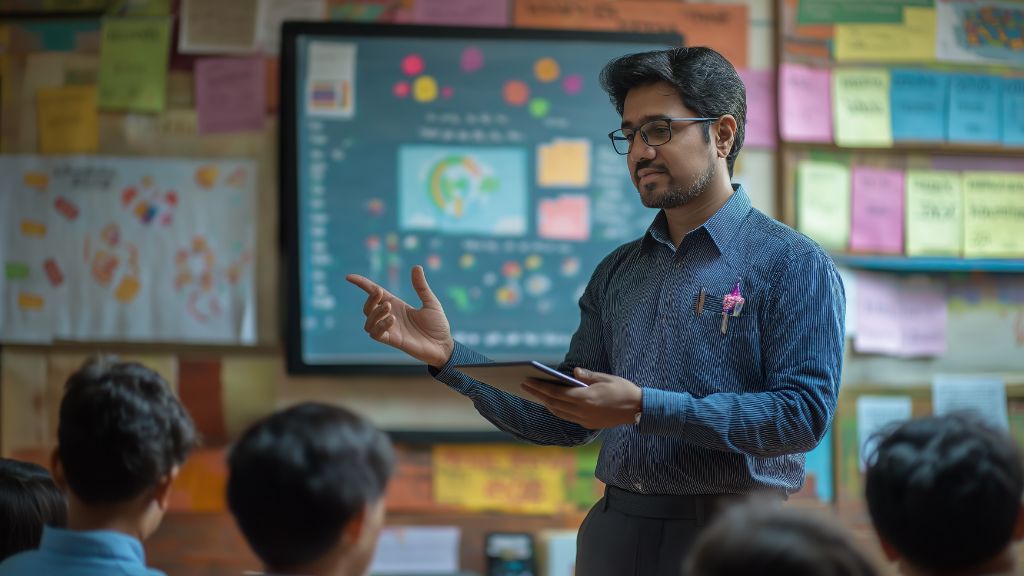
Pedagogical approaches refer to the processes that teachers employ to ensure effective learning. The methodologies try to do the following:
- Provide an appropriate format for teaching and lessons.
- Uplift active and learner-centered learning and teaching.
- Allow classroom discussions and application in the real world.
- Implement instructional strategies suitable for different learners.
- Conduct continuous assessment and evaluation for improvements.
Why is pedagogy important for first-generation learners?
The importance of education for first-generation learners involves much more than just comprehending subject matter. It also requires gaining confidence and familiarity with the educational experience. This is the reason why an appropriate pedagogy is important, as it can enable students to be more comfortable within the classroom setting and learn effectively.
When learning is done interactively and in a relatable way, learners will be more willing to engage and ask questions, and will be able to associate what they learn in the classroom with real life. An appropriate pedagogy for first-generation learners must do the following:
- facilitate literacy and numeracy development;
- develop self-confidence and participation in class;
- enhance linguistic and cultural inclusivity;
- promote critical thinking and independent learning;
- decrease dropout rates and increase retention.
Understanding the challenges faced by first-generation learners
First-generation students face numerous obstacles that have an impact on their learning process and achievements at school. Familiarity with these challenges is the first step teachers can take in the process of helping the students overcome these hurdles. We share some of these challenges below.
1. Limited academic support at home
For most students, there is no one within the family to assist them with their homework. Therefore, the only place where they learn and receive help is within the classroom setting.
2. Language and communication barriers
Another problem facing most first-generation learners is the use of a different language within the classroom setting compared to the language used at home. Such a scenario may affect comprehension and confidence in participating in class discussions.
3. Low confidence and participation
The fear of failure and judgment stops students from posing questions or participating in discussions. This results in low levels of engagement that hinder both personal and academic growth.
4. Socio-economic pressures
There are many learners who cannot attend school regularly due to work or economic constraints. The availability of learning materials is another obstacle that hampers the academic process.
What are some relevant pedagogical approaches?
The pedagogical approaches shared below may help move from teacher-centered instruction to student-centered activities. These educational approaches help teachers create lessons where first-generation learners can participate, understand, and learn skills.
1. Constructivist approach
The learning process here involves creating knowledge based on the relationship between the new knowledge and previous experience. This approach develops critical thinking skills in learners and guarantees that they have a personal understanding of what they are studying.
2. Inquiry-based learning
The inquiry-based learning process starts by posing a question, problem, or scenario that requires exploration. The process is initiated by posing questions or scenarios that need to be investigated. This encourages critical thinking skills and research to arrive at an answer.
3. Experiential learning
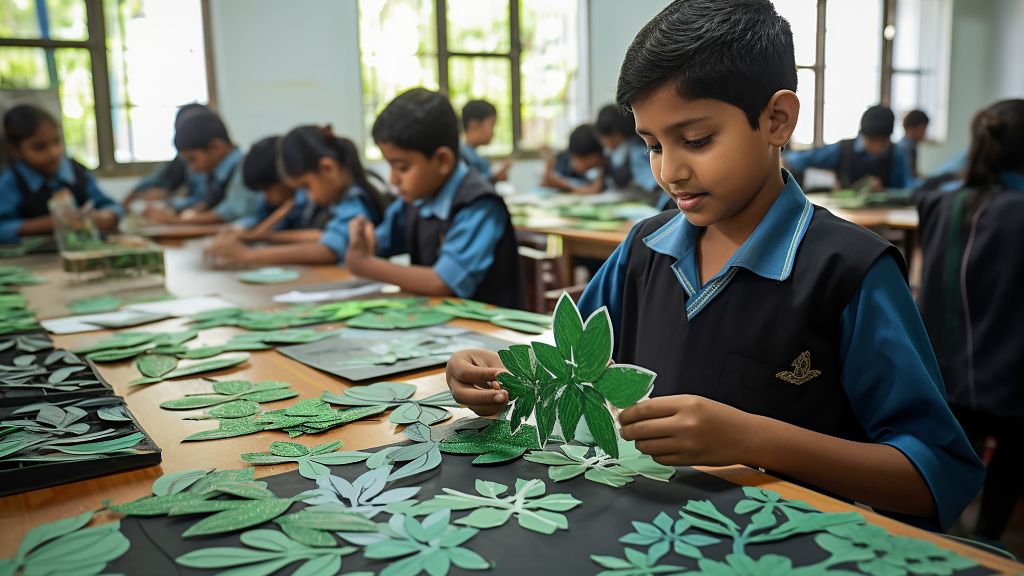
Students learn through hands-on experiences such as activities and experiments. This facilitates better understanding by allowing students to apply their knowledge practically.
4. Collaborative learning
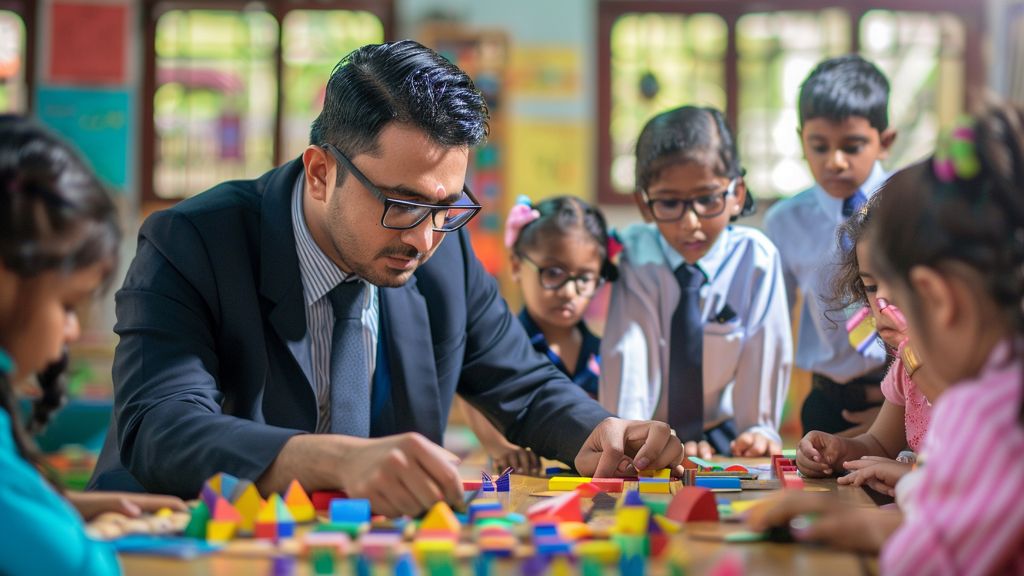
This is a pedagogical approach where students work together in an attempt to come up with solutions to their problems. During this exercise, teamwork and effective communication skills are developed.
5. Differentiated instruction
Instructional methods vary according to the different requirements, abilities, and preferred learning methods of the students. This is meant to allow each learner to progress at his/her own pace and to engage effectively with the information.
Common challenges NGOs face in implementation
There are several practical challenges that NGOs involved in education face when implementing teaching approaches in different environments for first-generation learners. Such challenges have the power to affect the effectiveness and scalability of learning programs.
1. Shortage of trained educators and volunteers
Most of the time, there is a shortage of trained teachers who can successfully implement relevant methodologies of teaching. This affects the effectiveness with which learning takes place.
2. Irregular student attendance and dropout risks
Students can miss classes for various reasons, such as family responsibilities and lack of funds. This eventually leads to more dropouts and learning gaps.
3. Difficulty in scaling pedagogical approaches across regions
Various areas need different approaches, which makes it hard to implement them uniformly. This makes the scaling up of the activities by NGOs quite hard.
Conclusion
Providing effective and inclusive educational opportunities for first-generation learners requires careful planning. With the use of relevant pedagogical approaches, NGOs can ensure that education is inclusive and engaging. Such techniques will enhance knowledge acquisition and instill traits such as confidence and communication in these learners. Eventually, this will contribute to the overall development of the learners and open up better avenues for their growth and success.
FAQs
What are pedagogical approaches?
These are methods that teachers use in developing and executing (in classrooms) lesson plans to promote effective student learning outcomes. Effective pedagogical approaches help in establishing an organized and stimulating learning atmosphere for the learners.
Who are first-generation learners?
First-generation learners are those who are the first members of their respective families to attend school. Such students tend to depend more on the schools for advice and help. It is therefore important to understand the pedagogy’s meaning to help them learn.
Which pedagogical approaches work best for first-generation learners?
Experiential, collaborative, and inquiry-based learning proves to be quite successful. These methods are characterized by active involvement and critical thinking.
What challenges do NGOs face in implementing relevant pedagogical approaches for first-generation learners?
Some common challenges include a lack of funding, inadequate training of teachers and facilitators, and sporadic attendance by the students. These factors could affect the efficiency and effectiveness of educational programs. particularly while using different pedagogical approaches in various learning settings.