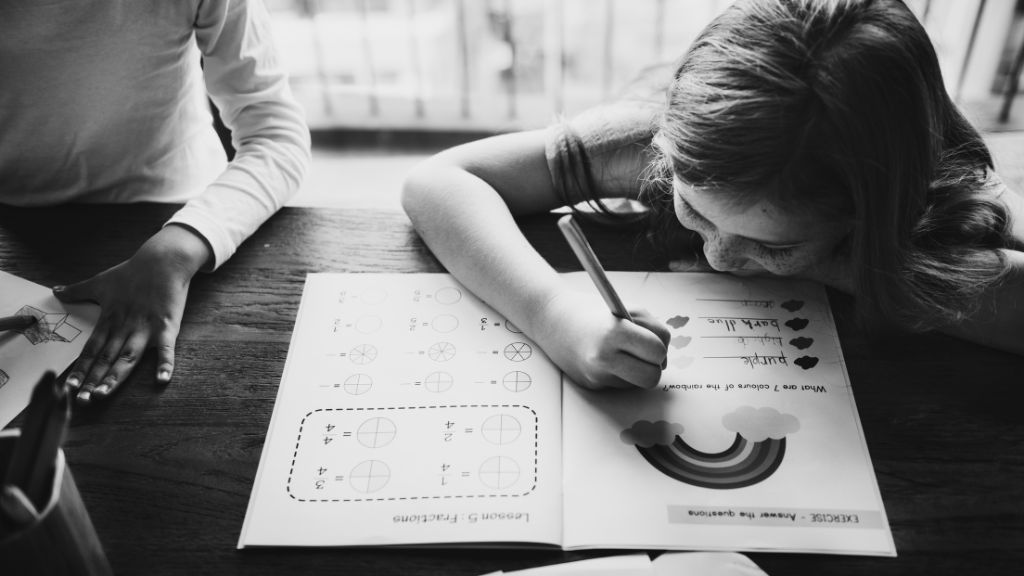
Classroom management strategies for teachers
This article explores effective classroom management strategies that help teachers create a positive, organized, and productive learning environment. It discusses the importance of establishing clear expectations, maintaining consistent routines, and fostering respectful teacher-student relationships to support student engagement and behavior.
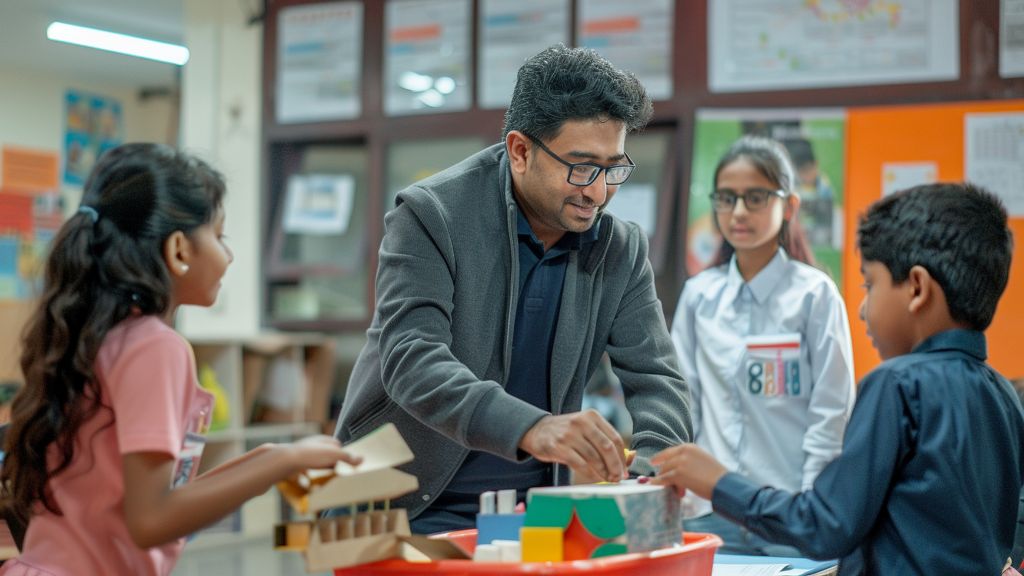
Effective classroom management strategies form the foundation of successful teaching for teachers. A teacher’s ability to successfully implement a lesson plan may be compromised by a poorly managed classroom. Classroom management is not about controlling behavior with the use of strict rules. It is guiding behavior, creating a structured environment, and assisting behavior to promote active learning in a safe, engaged, and motivated manner. Therefore, the first step toward developing an effective and positive learning environment is to understand the relationship between control and management.
What is classroom management?
Most people think about discipline while pondering what is classroom management. However, it is much more than just correcting students’ actions. Effective classroom management goes beyond discipline. It includes the organization of the physical classroom for the optimal learning experience, establishing classroom behavior expectations, and relationships with and among students.
In order to establish effective classroom management strategies, teachers must be able to create a structured environment that develops student independence and responsibility. Rather than reacting to disruptions, teachers use pre-established routines to guide student behavior through student engagement and clear communication.
The four pillars of effective classroom management
There are four foundational components of positive classroom management strategies. They can help create productive environments in which students can learn productively. These four pillars of effective classroom management are setting clear expectations, having positive relationships, maintaining consistent routines, and using engaging teaching methods.
All four pillars complement each other to strengthen student performance in the classroom by providing an organized, supportive classroom environment. Therefore, students will eventually stay focused, motivated, and prepared to learn.
Why classroom management strategies matter
Classroom Management policiesare critical to creating a productive learning environment. When classrooms are organized and expectations are clearly displayed, students will remain on task and motivated. In addition to supporting student achievement academically, the use of these policies provides faculty, students, and the school as a whole with a variety of long-term classroom management benefits.
1. Increased instructional time
Classroom management strategies, if utilized effectively, will reduce disruptions and any unnecessary delays during the course of instruction. When classroom routines have been established clearly and consistently, students will know what to do to complete academic activities and submit assignments.
This will reduce the amount of confusion for students. This will also allow teachers to spend more time providing students with meaningfully and deeply engaged instructional time.
2. Enhanced academic achievement and test scores
Consistent, well-run classrooms will help students learn more effectively. Consistent and effective classroom management strategies will alleviate distractions in the classroom, allowing students to concentrate more fully on their lessons.
When students can concentrate on their lessons, they will understand the material more effectively. This will help them retain the information for a longer period and do better on tests, thereby increasing their academic performance.
3. Improved social-emotional development
Effective classroom management strategies for creating and maintaining a fair and respectful classroom environment allow students to develop basic social and emotional skills. Teachers teach collaboration and conflict resolution by encouraging respectful communication and teamwork.
This also aids in developing students’ ability to empathize with others. Through positive peer interactions, students will experience emotional development and have confidence in both academic and social environments.
4. Reduced anxiety and increased sense of safety
The use of predictable routines and clear expectations creates an atmosphere in which students feel safe and secure. When teachers understand what is classroom management and how to use it, students have a consistent understanding of how to behave and what is expected.
When students know that they should behave a certain way, this reduces their level of anxiety and encourages them to participate in class. They feel confident to share their thoughts with others because of the supportive classroom environment.
5. Improved school culture and climate
Teachers can create and maintain a positive school culture by implementing consistent classroom management systems. Teachers can maintain consistent classroom management strategies and practices.
Therefore, the school gets a stable, fair learning environment, allowing the students to have a lower level of conflict. It supports positive student-teacher relationships and has higher levels of academic success.
10 effective classroom management strategies
Classroom management strategies with proper planning can create an exciting and energetic atmosphere in the classroom. Below is a list of ten successful ways of managing your classroom.
1. Set clear expectations and rules
Teachers have clear expectations and rules for student behavior, participation, and completion of assignments. Setting these expectations and rules early in the beginning of the course or year will give students a road map of what is expected of them.
2. Build strong relationships with students
A solid relationship between the teacher and student is a crucial factor for successful classroom management. Students who feel valued & have a meaningful relationship with their teacher will be more motivated to participate in their education.
3. Use positive reinforcement
When teachers provide praise for student effort, acknowledge their successes, and recognize their team’s contributions, it is called positive reinforcement. Using it as part of your classroom management strategies, you create an environment in which students are motivated to succeed. You can increase their confidence, thus providing an overall safe and supportive learning environment.
4. Implement active learning techniques
The use of lessons that require student participation will reduce behavioral problems in the classroom. Lessons that include interaction between the students and the teacher will help students to be active participants in the learning process. Teaching these methods of instruction will improve the management of the classroom by keeping students involved in their education and reducing boredom or distraction.
5. Establish a routine and consistency
Providing a consistent routine in the classroom will improve students’ understanding of what to expect for the day. This includes establishing when to start a class, how long the class will last, when to change activities, and what to do when finishing an assignment. Well-established routines are a major classroom management strategy by providing structure and stability to the classroom environment and minimizes confusion.
6. Address issues immediately and calmly
Teachers are responsible for taking immediate and calm corrective action to address student disruptive behavior. Students who are not addressed immediately for disruptive behavior have higher chances of causing larger problems. Effective classroom management strategies will provide an avenue for developing positive relationships with students and correcting their behavior.
7. Encourage student participation and ownership
When students believe they have a role in their education, they will be more likely to be engaged in the education process. Allowing students to help decide how their education will occur before class starts and during class will help them see that their education is a joint effort.
8. Incorporate technology for engagement
Teachers have begun looking at ways to incorporate technology into their lesson plans. Teachers may utilize quizzes found online, digital collaboration tools, and/or educational apps to create engaging lessons. Technology can provide opportunities to engage students in exploring learning content when used with well-developed classroom management strategies.
9. Use non-verbal cues
Teachers can use methods such as gestures, eye contact, or simply moving closer to a distracted student to help manage student behavior through non-verbal communication forms. Using these types of classroom management strategies can help to maintain flow in the classroom and avoid unnecessary classroom disruptions while continuing to provide students with a positive learning experience.
10. Foster a growth mindset
Encouraging your students to develop a growth mindset encourages them to see challenges as opportunities for growth. Teachers can create student motivation by using growth mindset teaching to promote effort, perseverance, and growth. In order to achieve effective classroom management, teachers must provide instruction on how students can develop a growth mindset.
Common classroom management challenges
Regardless of how experienced the educator is, all teachers will face classroom management challenges that may interfere with the learning process. The first step to addressing these challenges is to identify and be aware of the barriers.
The chronic disruptor
It’s common for teachers to deal with students who repeatedly disrupt by distracting other students from their work during class. To effectively manage repeating disruptive behaviors, a teacher needs to take the time to understand the reasons for these behaviors. Reasons include both boredom and frustration, and therefore, the teacher needs to find a way to redirect that behavior appropriately.
The chatty classroom
When students are too talkative, there is often less time for an overall lecture. In supporting a teacher with these classroom management challenges, it is important that rules for talking and communication be well articulated, provide structured times for talk, and have sufficient engaging activities designed to facilitate collaboration and participation.
Managing large or overcrowded classes
Large classrooms can create more challenges for a teacher because they will need to lecture while being able to gain the attention of all the students. Teachers will have to be proactive in structuring such large classrooms and defining expectations for student behavior.
Conclusion
Build successful classroom management strategies over time through practice, awareness, and perseverance. Teachers who develop better methods over time will learn to provide effective classroom management while facilitating a safe and supportive place for students to learn.
Such teachers can create successful classrooms by balancing structure and flexibility. Once teachers learn how to be an effective classroom manager, they can develop a classroom that provides a safe and welcoming environment for students.
FAQs
1. How do I manage classroom behavior without being too strict?
Establish clear expectations and procedures for your students to follow while providing consistent and predictable positive reinforcement for all your students. Students who have clear boundaries and feel appreciated are more likely to display cooperative behaviors and maintain their proper behavior.
2. What should I do when a student repeatedly disrupts class?
You can address the behavior calmly in private and explore possible causes and solutions. In some cases, disruptive behaviors occur as a result of a student’s frustration or desire for attention from the teacher.
3. How can I maintain classroom management while also building student autonomy?
You encourage student autonomy by providing opportunities for them to participate in classroom discussions, set learning goals, and manage small tasks in the classroom. The student would have an increased sense of responsibility through their involvement in classroom management.
4. How do I manage a classroom with students of diverse abilities?
You can use differentiated instruction, flexible activities, and collaborative learning for all students with differing skills and abilities. These strategies will improve the participation of all students while also creating a positive impact on classroom management.
5. What role does technology play in classroom management?
Proper use of technology can increase student participation and organization through engagement-based methods, such as interactive quizzes, digital assignments, classroom management apps, etc.
6. What are the benefits of creating a routine in the classroom?
By developing a routine for performing assigned work, teachers are able to help their students understand what is expected from them each day. By creating these routines for all daily teaching activities, classroom work can proceed seamlessly.