Getting arts integration right: a guide for NGOs in education
This article explores the role of arts integration in education and how it helps create engaging, creative, and learner-centered classrooms. It covers the concept of arts-integrated learning, its benefits for cognitive, social, and emotional development, practical models NGOs can implement, and the common challenges organizations may face when incorporating arts into educational programs.
Many actors in today’s education system want to effect a shift away from mechanical learning to experiential learning. Of the various strategies used in this transition, the arts integration strategy is remarkable for its potential to contribute to fostering creativity in academic learning.
This strategy becomes very useful for NGOs involved in educational activities as it enhances learning processes, increases participation, and facilitates holistic development. Students are able to learn using their imagination and hands-on activities instead of just listening passively. This piece explores how this strategy works, its significance, and the possible practical applications by NGOs.
What is arts integration in education?
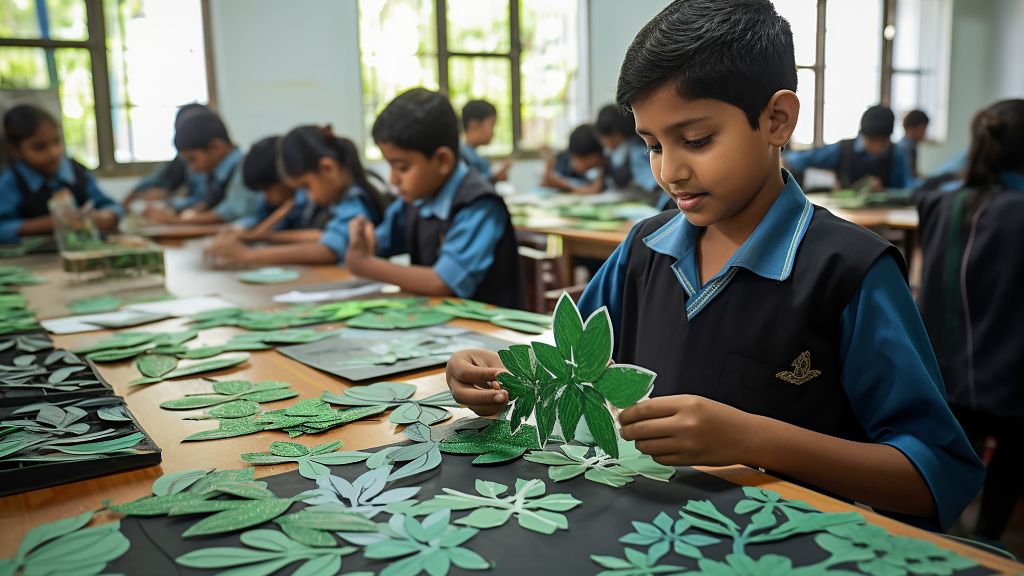
Arts integration is an educational strategy in which learners are taught academic disciplines using artistic methods such as music, theater, dance, and visual art. The arts are not seen as separate from academia; rather, they become a tool for introducing academic concepts. Art is also used as a part of this strategy to build essential life skills.
Three main forms include:
- Curriculum for Arts: The curriculum is designed based on specific art subjects such as music and dance.
- Arts-supported curriculum: The arts become the medium of support to make learning easier.
- Curriculum integrated with arts: In this type of curriculum, both arts and academics receive equal importance. This enables the learner to comprehend in a better way.
Art integration in education sees the arts as a fundamental component of learning.
What are the benefits of arts integration in education?
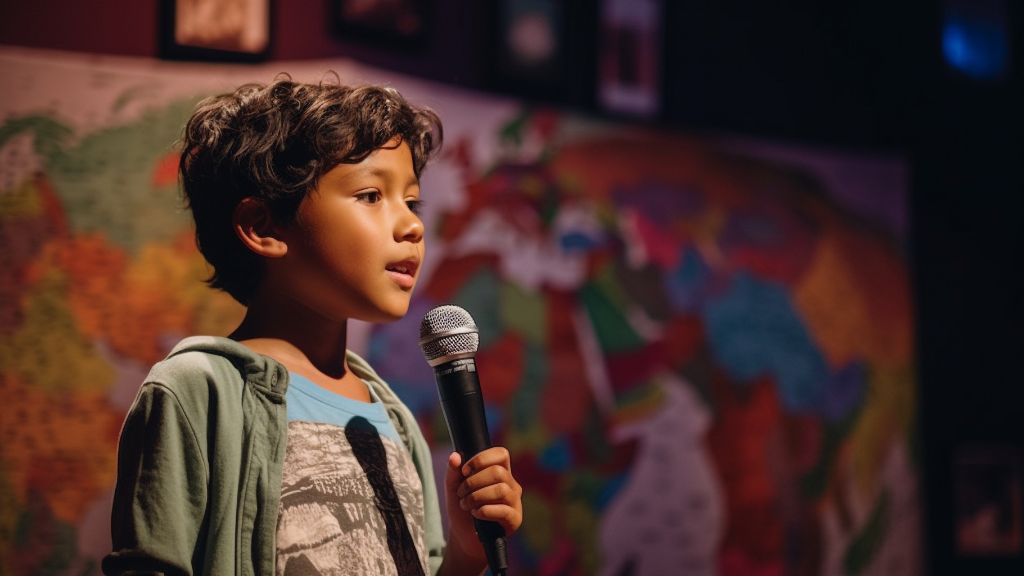
Arts integration is beneficial not only in the cognitive domain, but also emotionally and socially. Arts integration makes it possible to create an environment of learning where learners are actively engaged rather than passively involved.
1. Improves critical thinking skills
The students participate in analyzing, interpreting, and formulating solutions to issues through the medium of art, thereby improving their capacity to reason logically and think from different perspectives.
2. Increases student engagement
Different subjects become more interesting and interactive for the students, thereby minimizing boredom and improving concentration. Students become more curious and willing to participate in learning activities.
3. Strengthens communication skills
By use of stories, drama, and visuals, children can be taught effective ways of communicating their ideas. It is among the best arts integration examples as it enhances both oral and non-verbal communication skills.
4. Supports emotional and social development
Students show their emotions through creative ways and gain self-confidence and cooperation skills. This makes students emotionally involved, which is essential for better teacher-student relationships and improved learning process. So, including art integration in education activities boosts academic performance as well as creativity and emotional intelligence.
Why arts integration is important for NGOs
NGOs operate in environments where the students have diverse backgrounds and different levels of learning. Under such circumstances, arts integration becomes an accommodating teaching approach.
Arts integration as an educational strategy can help NGOs working with children in educational contexts through:
- simplifying complicated ideas;
- enhancing participation in classes with low engagement;
- helping children with varying intellectual capabilities;
- building confidence among learners.
Models of arts integration NGOs can use
Knowledge of Models of Arts Integration will enable NGOs to develop an effective learning strategy by connecting academic lessons and the arts.
1. Project-based learning with arts integration
Project-based education with arts integration facilitates students’ problem-solving in the real world using creative means such as storytelling, drawing, or performance. The model enhances cooperation and allows students to relate theoretical concepts learned in various subjects practically and creatively.
2. Co-teaching models
Teachers and artists collaborate to conduct classes incorporating both academic knowledge and creativity. This guarantees that learners will understand concepts not only through lectures but also through actual art-making.
3. Community-based arts programs
The incorporation of local artists and cultures in classroom education is done to enhance its relevance. This ensures that students are able to link classroom subjects with their actual experiences in the community.
4. Experiential learning through the arts
The student learns through active participation in creative exercises such as drama, music, and visual representation. It enhances the clarity of concepts and enables learners to retain information through practical engagement.
5. Digital arts and media integration
Learning is enhanced by the use of digital tools in the form of animation, video development, and storytelling to facilitate the learning process. This promotes innovation and digital literacy and enhances the engagement of learners through the use of interactive tools.
These models are very important in helping learners interact with the learning process. Arts integration examples include role plays in history, rhythm in mathematics, and storytelling in science.
Challenges NGOs face in arts integration
Though there are many advantages of arts integration in education, certain difficulties might arise while implementing it, which need to be carefully planned out in advance.
1. Limited funding and resources
The budget constraints could limit the provision of adequate materials, facilities, and skilled instructors required for creative teaching. The budget constraints can be dealt with by using inexpensive materials, recycling common materials, and involving the community in the learning process.
2. Lack of trained educators
The lack of skills and knowledge about creative teaching methods and interdisciplinary approaches on the part of educators may impact arts integrated learning. Training programs and practical workshops are essential in building up self-confidence and improving teaching techniques.
3. Measuring impact
Creative learning can not always be assessed through conventional examination methods, which may complicate the process of assessment. NGOs may employ various techniques such as student portfolios, presentations, teamwork, and observation-based assessment.
4. Lack of awareness about arts integration
Educators do not have a full grasp of what arts integration entails, which limits the application of the strategy. Sensitization campaigns, training programs, demonstrations, and practical examples within the classroom can help educators comprehend the relevant concepts better.
Conclusion
Within the changing face of the educational system, arts integration is one of the most important elements that help create an innovative way to change the traditional form of learning within the classroom environment. NGOs can use this strategy effectively in improving the quality of the educational system in many contexts.
FAQs
What is arts integration in simple terms?
This is a technique where kids learn about different subjects through artistic processes like music, drama, dancing, and the arts. This technique makes sure that the kids learn knowledge that is comprehensible, forming an effective art integration in education approach.
How can NGOs implement arts integration effectively?
NGOs can incorporate this by training teachers on how to conduct classes, use simple teaching resources, and implement project-based learning techniques. Working alongside local artists and communities will make it easy to implement.
What are examples of arts integration activities?
Some of the activities students do are acting out history, learning mathematics through rhythm, and visualizing concepts during language lessons. Such strategies help in linking academic concepts to practical expressions, making them strong arts integration examples.
Is arts integration suitable for all age groups?
Absolutely. Arts integration can be adapted to suit learners at an early stage, primary-age children, as well as more advanced learners. The activities are tailored according to developmental stages and make learning fun.