
Khandewla’s hope: a story of revival and resilience
A community-led restoration of a neglected village well in Khandewla demonstrates how simple, nature-based water recharge solutions can revive ecosystems, strengthen groundwater resilience, and re-establish local stewardship over water resources.
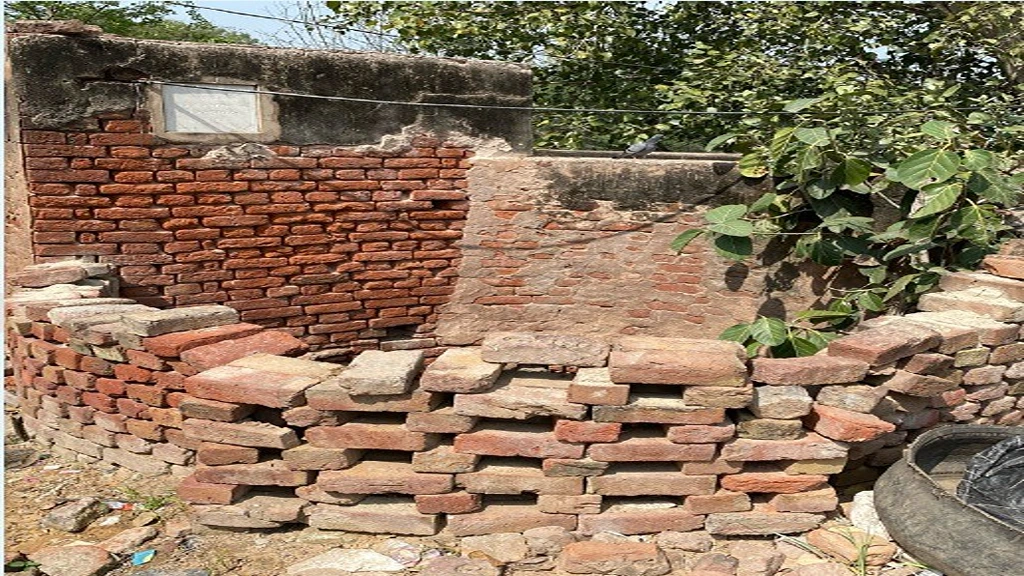
Photo credit: GuruJal
For generations, the well in Khandewla village was the very heart of the community. Standing 8 feet wide and 24 feet deep, it was a dependable source of water. The well was also a gathering place for conversations, and a constant through changing times. But slowly, silence replaced the bustle.
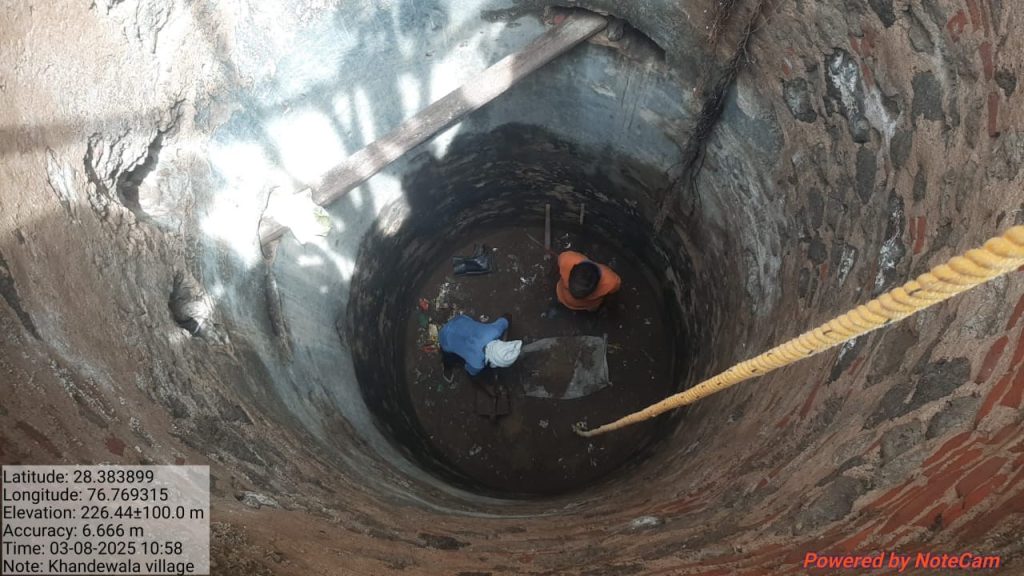
Photo credit: GuruJal
The groundwater table plummeted to 110 feet, far beyond reach. The dry, cracked well became a sad relic. It slowly turned into a dumping ground for 46.8 cubic meters of waste, including plastic, soil, and debris. The critical proximity to the Khandewla wastewater pond added to the environmental challenge. The well stood desolate, waiting for rain and relevance. Into this context, the team from GuruJal and Wipro Foundation stepped in with a promise to restore not just a structure but hope itself. GuruJal is an initiative of Abhipsa Foundation. It works to make communities water-neutral through a systems-thinking approach. The initiative collaborates with government bodies, corporates, civil society, and research organizations to implement sustainable, community-led and nature-based solutions. The work has been focusing on restoring ecosystems, improving local water resilience, and empowering communities to become active stewards of their resources. The larger goal is to drive scalable impact for a water-secure and climate-resilient future for India.
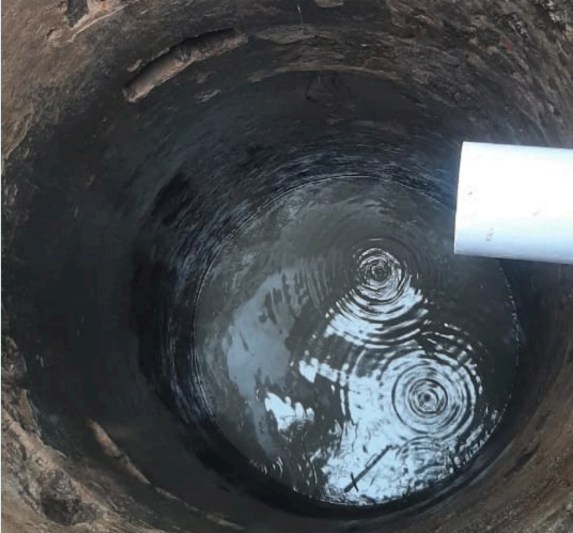
Photo credit: GuruJal
The journey of restoring the well in Khandewla began with the effort of cleaning. Clearing away years of neglect, our team removed a large volume of waste, physically preparing the well to breathe again. Once cleared, the transformation began. The well was reinforced and converted into a rainwater recharge structure, designed to capture and hold precious rainwater rather than allowing it to be lost to runoff. The most vital step was connecting the well to its immediate environment. We engineered a system to divert rooftop rainwater from four nearby homes, capturing runoff from a total area of 603 square meters. With pipes laid, surveillance chambers installed, and the final structural strengthening complete, the well now looks restored and robust, poised to feed the earth. Even before the finishing touches were applied, the Khandewla well successfully captured approximately 189.95 kiloliters of water. This figure is far more than a measurement; it represents a tide turning. It is 189.95 kiloliters of future resilience soaking into the depleted aquifer below.
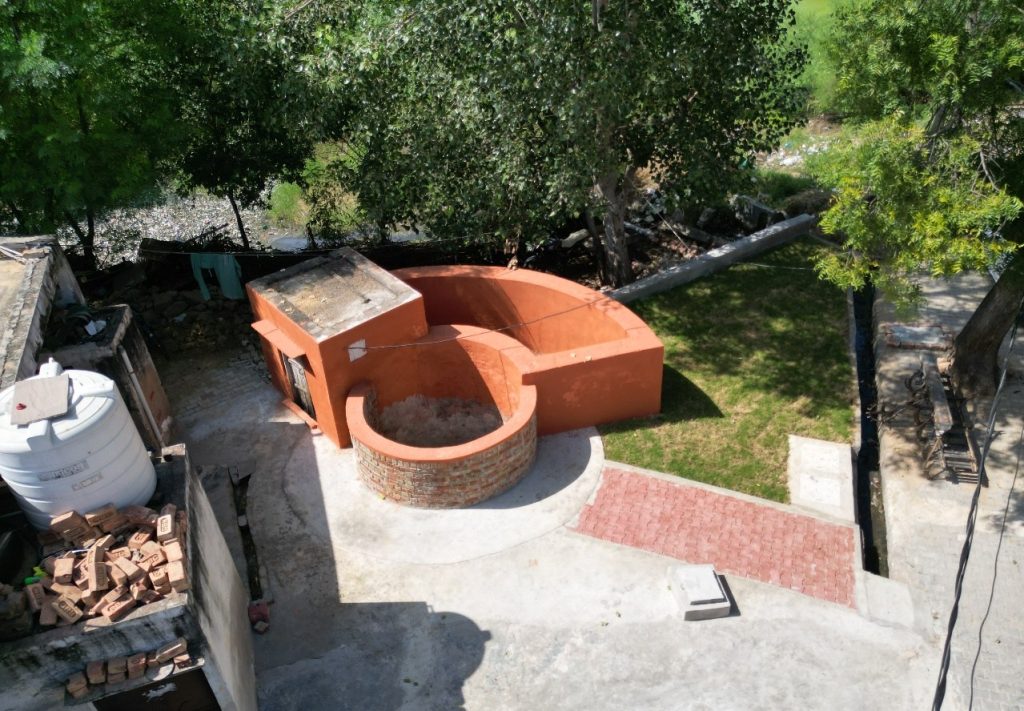
Photo credit: GuruJal
The well is no longer a ruin. It is a functioning engine for the environment. It is also becoming a powerful symbol for the community. The story of the Khandewla well is a living testament to our shared resolve to restore the essential connection between the community and the water that sustains it.

Related Articles
By | April 29, 2026
By | April 29, 2026
No approved comments yet. Be the first to comment!