
Reflections from the ground on school reopening
Malaya Padhan’s essay discusses a gamut of issues that have arisen in the field due to school closure, and captures important voices of teachers, students, and parents from the field, in the context of school reopening.
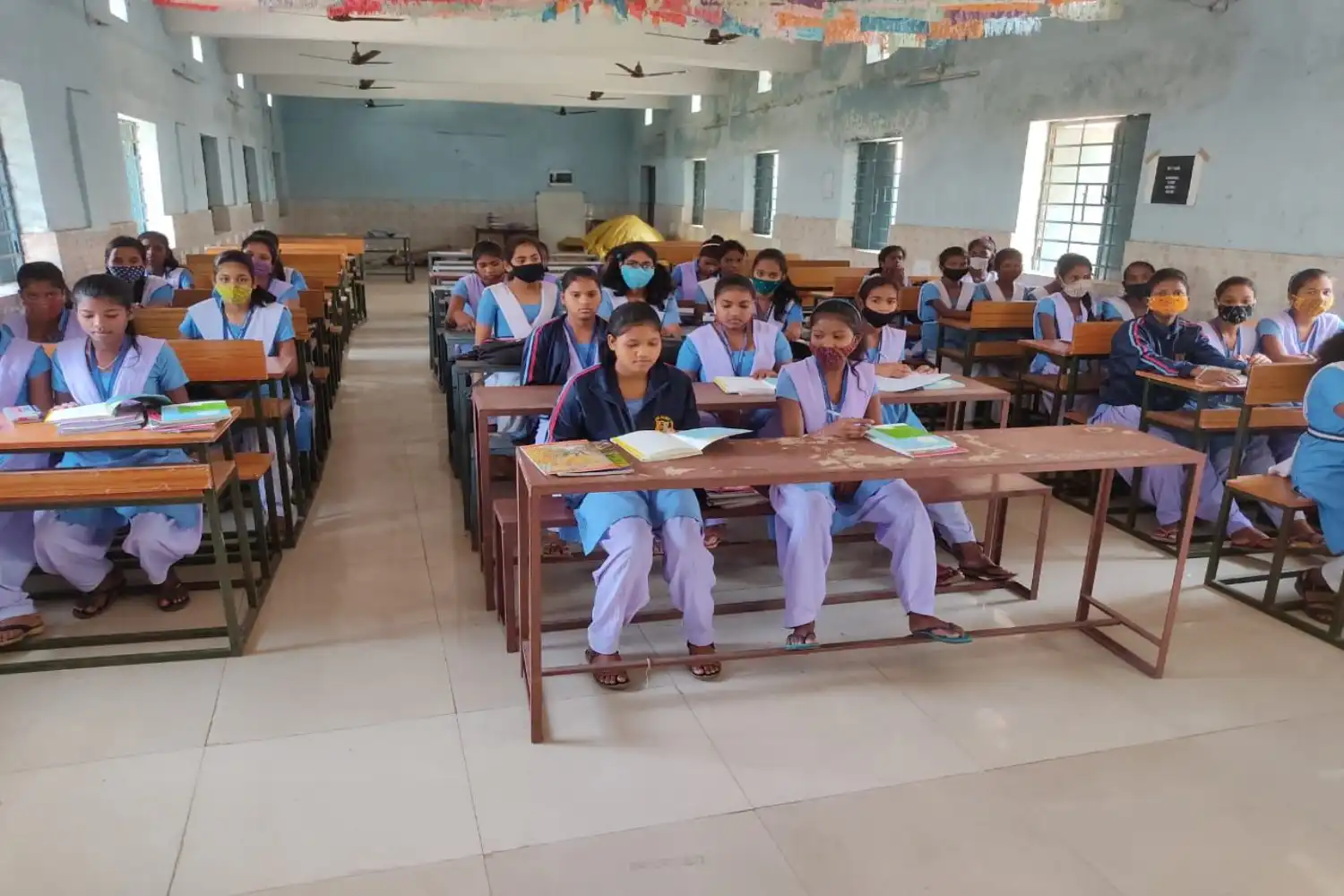
The COVID-19 pandemic has created challenges around the globe, with lakhs of lives lost and disruptions of everyday life situations in myriad ways. Children are one of the most affected groups in this pandemic. It has been around 75 weeks (more than one and a half years) since March 2020, and schools mostly remain closed.
Although lockdowns have been eased in many areas—like the reopening of markets, the transport system, etc.—children are still under lockdown for all practical purposes. We, the adults, have already started redoing our things and coming out of our isolation. Children, whose job is to play and learn, and who need to interact with the world, are being restricted in their mobility.
Where digital solutions have been provided for children’s learning, there is a huge disparity with regard to access to smartphones, connectivity, internet packages, electricity, etc. The digital divide is real and wide; there is a gender divide with respect to access to smartphones as well. Children with Disabilities (CWDs) also have comparatively less access to such resources. Could a calibrated reopening of schools be an alternative?
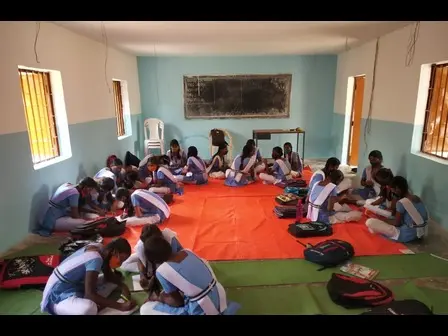
Ensuring the rights of children: a critical issue in the COVID-19 pandemic
The COVID-19 pandemic has raised significant challenges against child rights—especially the rights to survival, protection, and development. We found that many children are engaged in work such as child labor, e.g., beedi-making at the domestic level and in wage-earning labor work outside the home, such as working at construction sites, agricultural fields, bringing sand and stones through tractors and trolleys, etc., which pose risks for their lives.
According to the Child Welfare Committee, CHILDLINE, and our direct interactions with adolescent girls, many child marriage cases have been reported during the lockdown period. Many child abuse cases and suicides among teenagers have also been found. Issues like domestic violence against children, cases of runaway children, and teenage pregnancies have been witnessed as well. Besides, there are increased cases of substance abuse among boys.
In interactions with around 1,800 adolescents so far (survey-cum-wellbeing sessions) in the last two months, we found that around 60% of them have experienced decreases in food intake as compared to the pre-pandemic period, especially with respect to milk, vegetables, pulses, eggs, meat, fish, etc. Around half of their parents lost work and struggle for a livelihood.
Some of these adolescents have lost their near and dear ones, including parents, during this period. One-fourth of these children were sad, angry, depressed, stressed, and anxious. During wellbeing sessions with them, it was found that almost all children were experiencing some form of mental stress due to various reasons. This has had a tremendous negative impact on the growth and development of these children.
Thus, it is not really life versus learning for these children. Their survival requires learning to live. Some parents shared that their children are feeling anxiety, irritation, and boredom in online classes. These children were also reported to lack concentration, and they hesitate to let go of their mobile phones. School closure with lockdown is not merely about loss of learning but also loss of life skills, socialization, and socio-emotional development of children. Their interactions with peers, parents, teachers, and relatives have lessened. Some of them shared that, with no real interactions, they do not have real friends.
Regaining the loss of learning and childhood: a big challenge ahead
During this pandemic, digital learning emerged and spread as an alternative to regular schooling processes. Both government and non-government organizations, like Patang, looked for various alternatives to physical classes, in radio and TV channels, online and teleconference classes, SMS, IVRS (Interactive Voice Response System) in voice, text, picture, and community classes, and community and youth-led approaches, etc.
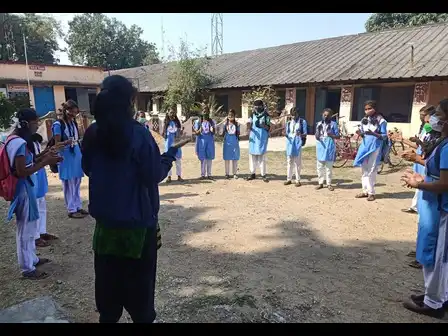
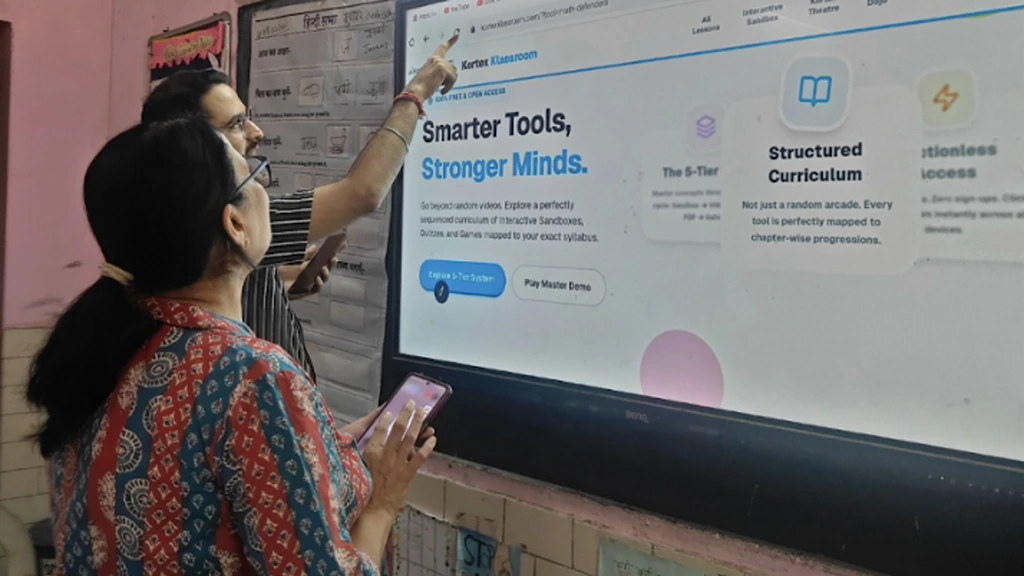
But the fact remains that the school system, especially many teachers at elementary levels, as well as the community system, mainly comprising parents, suffer from digital illiteracy to a large extent. Patang, in partnership with Quest Alliance, IBM, and the Department of Education, Government of Odisha, has been undertaking capacity-building training on online platforms for digital engagement with thousands of teachers. This has led to greater use of digital platforms for children’s learning.
“We found that children are not growing properly as per their age-wise weight. Though children are provided with dry rations, they are not taking cooked meals at home.”—Anganwadi Worker, Burda, Sambalpur.
The Department of Education initiated online classes and YouTube classes, but very few children access these. One headmaster says, “Out of 50 children, having 17 WhatsApp numbers till now, and only 4–5 children responded in the group. And with daily follow-up, a maximum of 5 children attend YouTube classes.” The number of viewers expected is gradually diminishing rather than increasing, especially at the elementary level.
Over the last year, access to smartphones has increased for some households. Among these households, have only one mobile phone, which again limits the online learning of children. However, there is still a lack of digital infrastructure, like network and electricity. Recharge is also an issue in many pockets of rural areas.
Parents from four poor, working-class families from Meghpal village were highly concerned about their children’s learning. When they found out that there would be classes on smartphones, they bought smartphones from the market with their annual savings and some borrowed money. It was unfortunate that in their village, there was no network. They found this out only after having bought the phones.
Another thing we observed, with the introduction of YouTube classes, was the parents’ struggles, as neo-digital literates and first-generation school goers, with regard to handling mobile phones. Because of all these challenges, there are significant learning losses observed in children, especially related to the basic skills of reading and writing.
Way forward
School reopening could potentially alleviate the gaps in socialization and learning, connect children to the wider world, enhance their social and mental wellbeing, and contribute to physical development through nutritional intake through midday meals. It can also contribute to delaying the age of marriage and protect children from hazardous work.
But we still have apprehensions and anxieties related to the threat of the third wave of the COVID-19 pandemic. We are yet to have any vaccination program for children. Maintaining COVID -appropriate behavior, such as social distancing and ventilation in classrooms, is also a challenge. The COVID-19 pandemic is uncertain, and the nature of the virus is changing. With regard to school opening and working with children, it is important to take expert guidance from health professionals.
Now, we have some data from the process of reopening certain classes in secondary schools. Prachi Mandekar, a student of class 10 from Nanakram High School, says, “I am very happy with the school opening and meeting friends; we did not study for around two years in the name of COVID. My parents are also so happy with me going to school.” Similarly, Arati Sahu, a student of Government Girls High School, Kuchinda, says, “I could not even meet my friends and am so happy meeting them. My education has been severely affected. Now, I am slowly trying to get back to the old rhythm.”
“Most of the children did not know which class they were in. We observed that most of the children who were good at reading and writing have forgotten to write their names, and some children cannot identify the alphabet also.”—Marinus Kandulana, CRCC of Meghpal.
As data from our experience of working with 127 selected secondary schools shows, the average range of regular attendance rate is 65–85%, as compared to less than 30% through the online mode before school reopening. And it is increasing day by day. There are schools that have 90% attendance on some days. This happens with the confidence and ownership of parents, teachers, and local administration.
In this context, Gita, a teacher from Brajmohan High School, says, “It has been a very good experience to have offline classes indeed. Direct interactions with students are really very fruitful. Students not having android sets at their home are getting the most through offline classes.” Phulamani Majhi, HM of Bamra Girls High School, says, “Coming to school and teaching is a valuable part of my daily life. After one and a half years, students are back in their proper place. The situation of teaching, learning, and our connection with students has improved. I’m really happy about it.”
Parents are also quite happy with schools reopening, though there are a few who have safety concerns. According to Bijay Kumar, a parent, he is very happy that the school has reopened. His daughter was severely affected educationally and socio-emotionally. She is now focusing on her studies. In a similar way, the mother of Snehamayee, from Budharaja High School, shared that online classes were not fruitful. Her daughter is now taking part in various school activities directly. And this engagement has made her happy and better engaged in learning processes.
The reopening of schools could be better coordinated through decentralizing school plans, like the way Panchayati Raj Institutions handle zone-wise COVID-19 protocols, lockdown and shutdown, etc. In this context, Rina Das, teacher at Barpali Girls’ High School, says, “Students have suffered a lot during the pandemic. Their study became stagnant. Though there was fear, we were happy with the school reopening. Face-to-face contact between teachers and students makes teaching more effective. Students are happy to come to school. We obey COVID-19 rules. Students from other classes are also eager to come back to school. They should do so.”
In this regard, trust, confidence, and consent of parents and accountability of school management committees and school personnel would be highly essential. School infrastructure, like classrooms, toilets, water systems, etc., must be upgraded to meet the challenges of the pandemic, and the required renovations must be made. In order to ensure (re)enrolment in schools, back-to-school campaigns and drives can be one of our strategies.
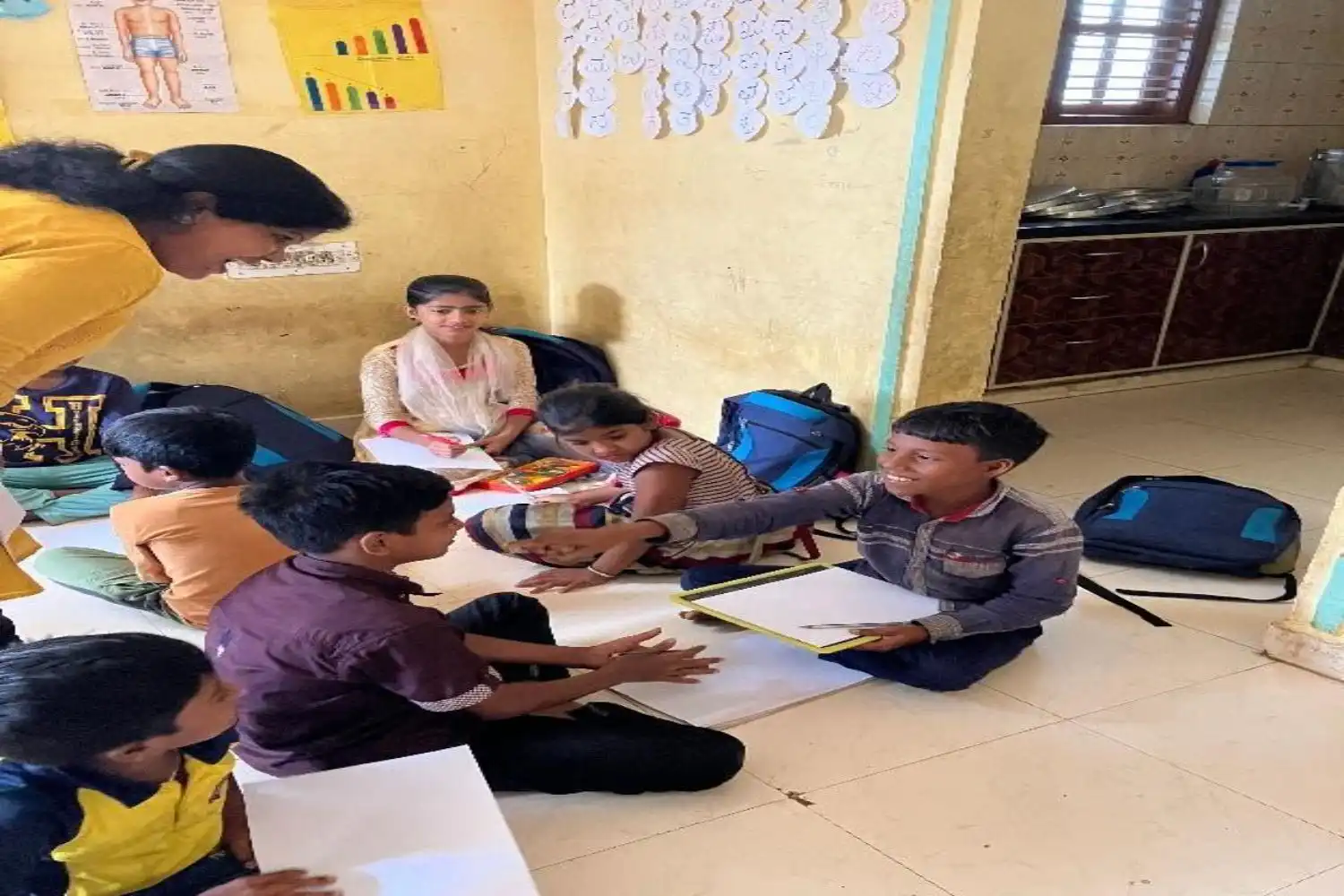
Facilitating learning at Community Centers can be a part of this process. Wherever possible, the use of arts, crafts, and music can also help children reintegrate into the school system.
The dominant narratives, with regard to the reopening of secondary and higher secondary schools, related to board examinations and pressurizing children to perform for marks, are perhaps not a very appropriate way to think about the reopening of schools.
Like the welcome ceremony for class 1, all students need to be welcomed in a joyful manner. The learning environment needs to be fun-filled, as children are coming back to school after a long time. There is also a need to focus on well-being sessions when schools reopen. We need to rethink our pedagogic strategies. It may require diverse approaches and methodologies, and facilitating hybrid/blended learning processes for those not eager to come to school.
However, as we learnt during the pandemic, education and learning need not be limited to school campuses or textbooks. We always remember the thoughts of Bini while working with out-of-school children; she said, “I am unable to learn the way you teach, could you teach the way I learn?” This reflection has been crucial to us in center-staging children in thinking, planning, and strategizing with various stakeholders—parents and community, school teachers, education departments, and local governance institutions.

Related Articles
By | June 16, 2026
No approved comments yet. Be the first to comment!