
The journey so far: stories of founders and the evolution of their organizations
This article shares the stories of founders of CSOs and the evolution of their organizations in terms of key turning points, dilemmas and learnings. They also share their reflections on personal growth and what sustains them in this work.
Introduction
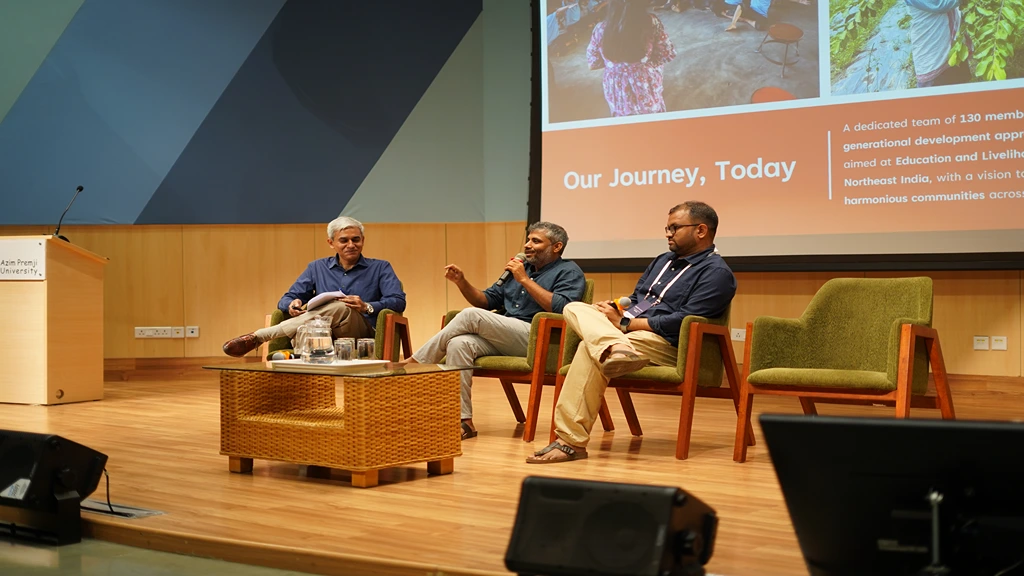
The fourth panel discussion of the Wipro Education Fellows’ Meet, on November 28, 2025, focused on the stories of founders and the evolution of their organizations. Behind every organization is a deeply personal journey. The panel invited founders of three organizations to share the origin stories of their organizations—what made them start on this path. They also shared key turning points, dilemmas, and learnings along the way.
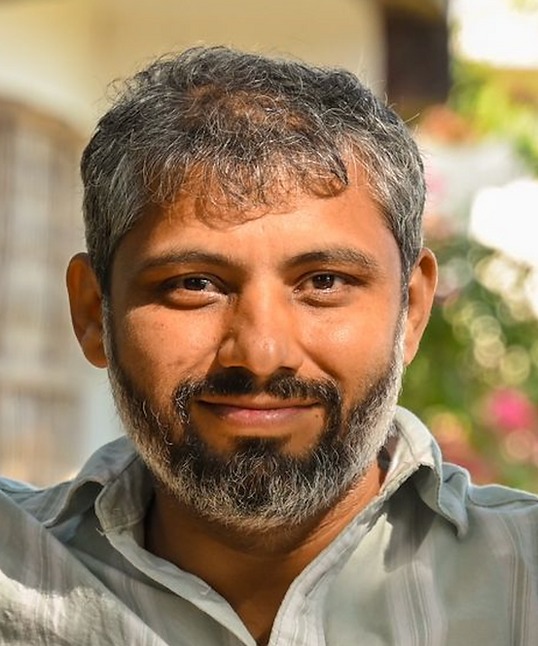
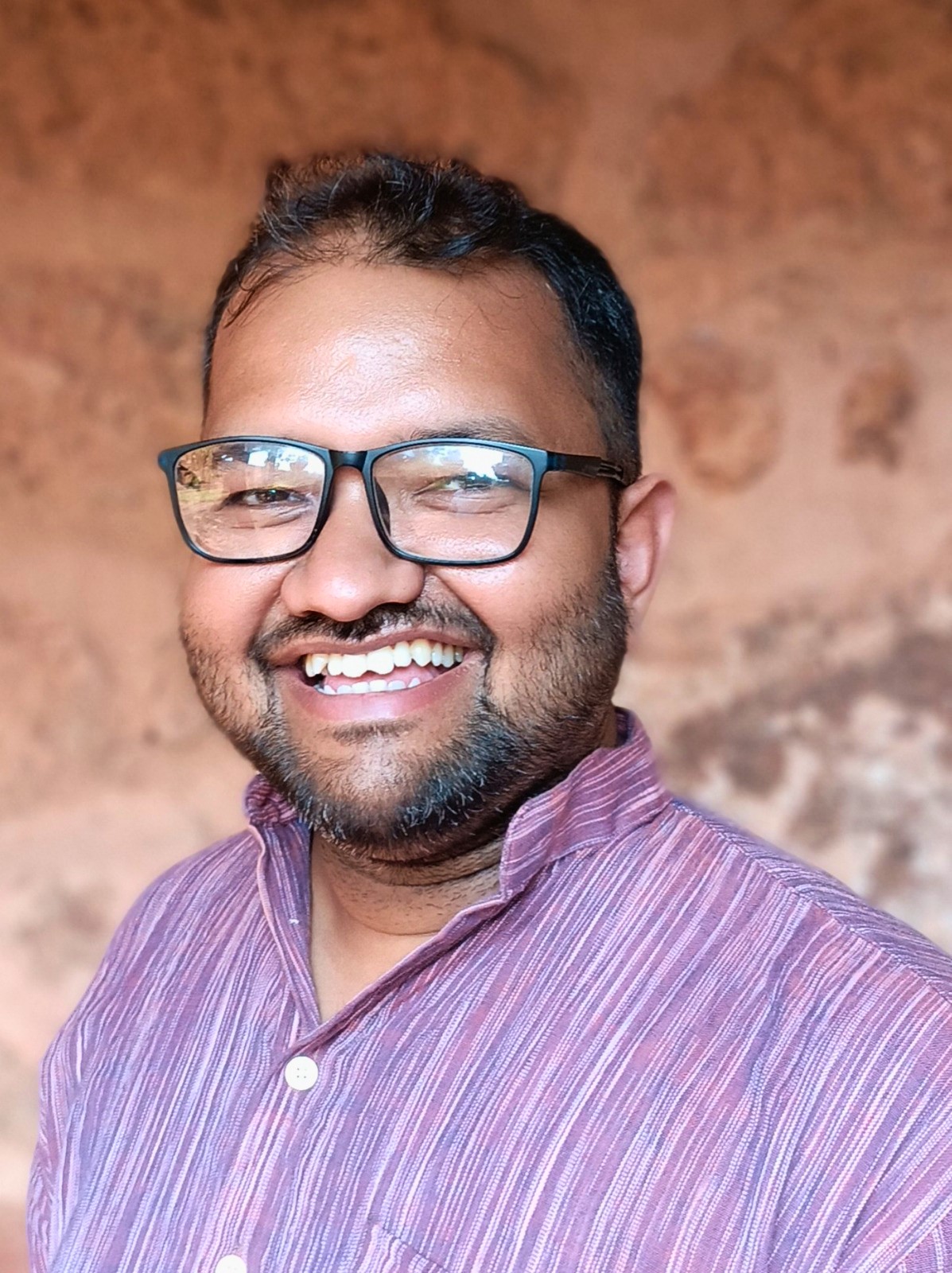
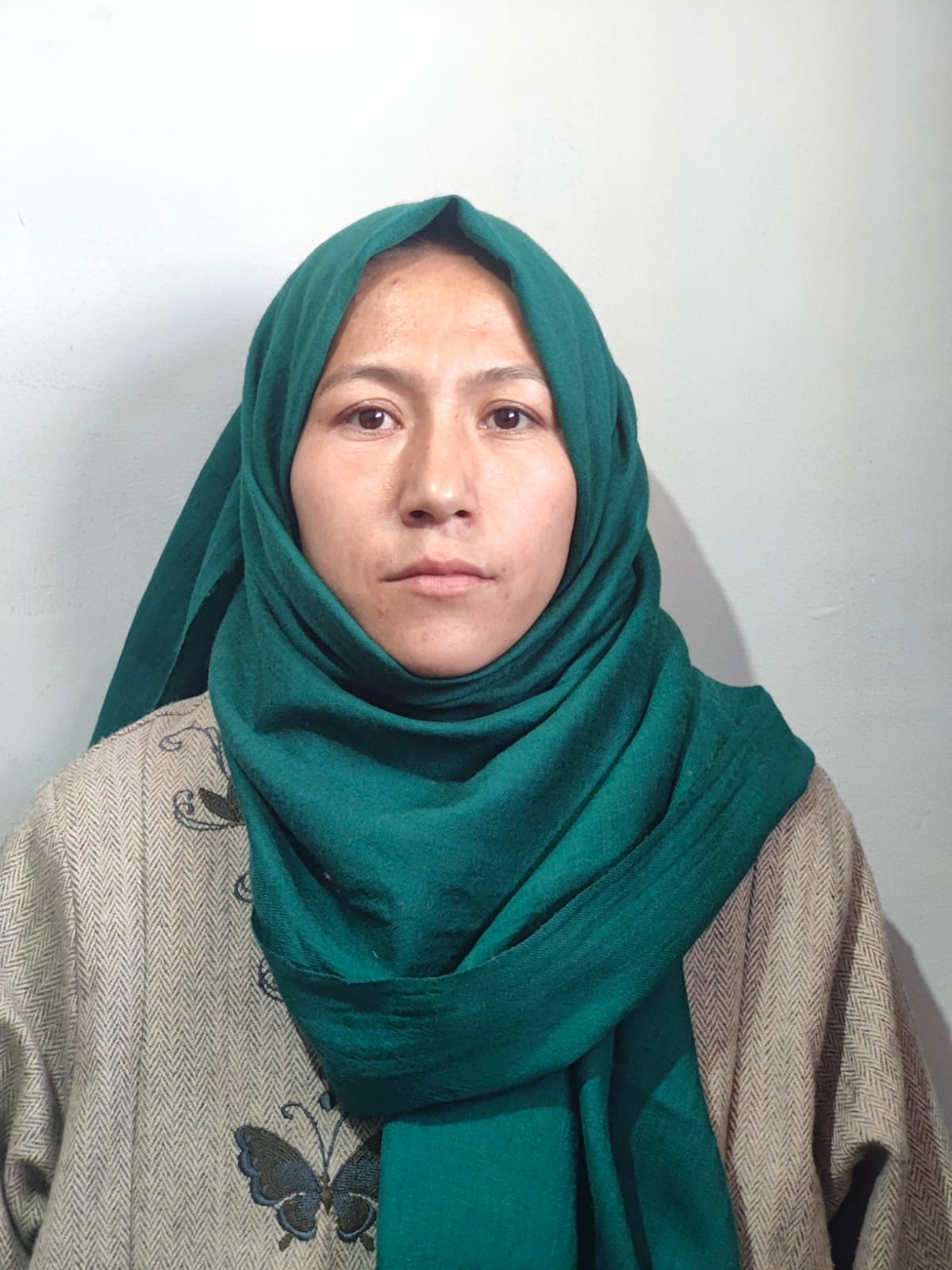
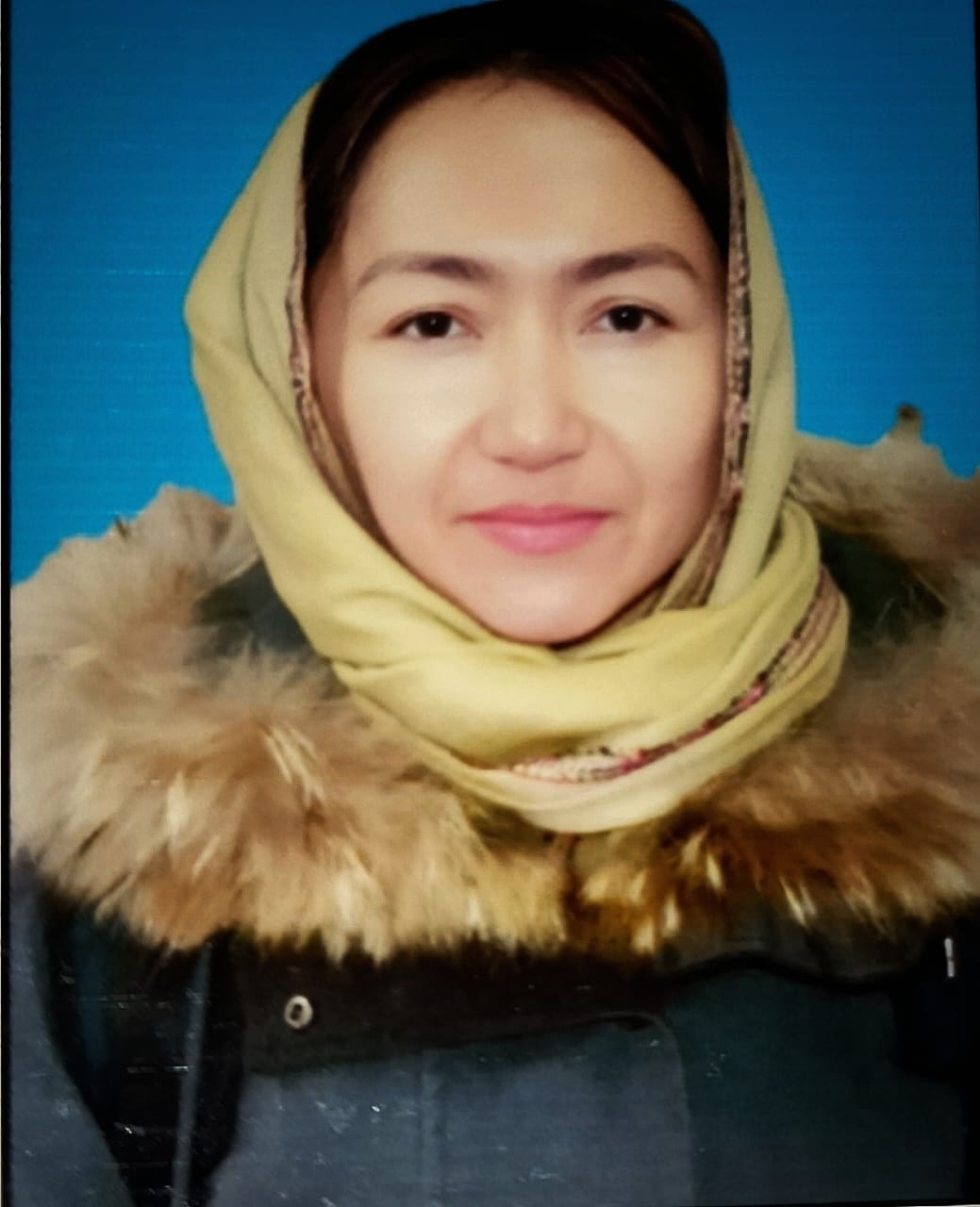
The founders reflected on personal growth and what sustains them in this work. They discussed how their work has touched lives and communities as well. Surya Prakash and Binit Ranjan (from PRAYOG), Stanzin Saldon and Hakima Banoo (from rZamba Trust), and Dharamjeet Kumar and Bipin Dhane (from Ayang Trust) shared their stories. The session was moderated by Avinash Kumar from Wipro Foundation.
Sharing by the panelists
Bipin Dhane, Ayang Trust: After finishing my formal education, I had a well-paying job. I was living in opulence. It did not make sense to me. During this period, I came across Wangari Maathai’s life and work. And I also read a story about a hummingbird who tried dousing a forest fire in a book by Thich Nhat Hanh.
I went online and found a volunteering opportunity for teaching math and science to children in grades 9 and 10 at Majhuli, a remote riverine island on the Brahmaputra in Assam. In the process, the villagers ended up inviting me to work with them. They wanted a school. They created a school and involved me and others from Ayang Trust in the process. In the school, and in all our other work, we have been trying to respond to the needs of the children and their families.
There were rumors about me being a missionary and the police came to do an enquiry. The villagers stood with me in solidarity. This acceptance by the community has been the cornerstone of my work and that of the work of Ayang Trust.
As a team, initially living together in isolation helped Dharamjeet and I to bond. We also share a sense of common responsibility toward the community. We are very intentional about our relationship.
Dharamjeet Kumar, Ayang Trust: The diversity at Azim Premji University in Bengaluru, where I did a master’s program, was a learning experience in itself. As a student at the university, if there was one thing that I learnt, it was deep listening. I am not used to speaking in forums like this. Now my work with Ayang Trust demands it. I have gained the confidence of doing so just by being with the people.
Our work is in a remote, underdeveloped area. Given the geography in which we work, we could not have just focused on one theme. So, we thought we could work out an economic framework based on local skills and culture.
As a co-founding team, Bipin and I are honest about our work. We work toward a goal that is larger than us. There is a sense of shared responsibility.
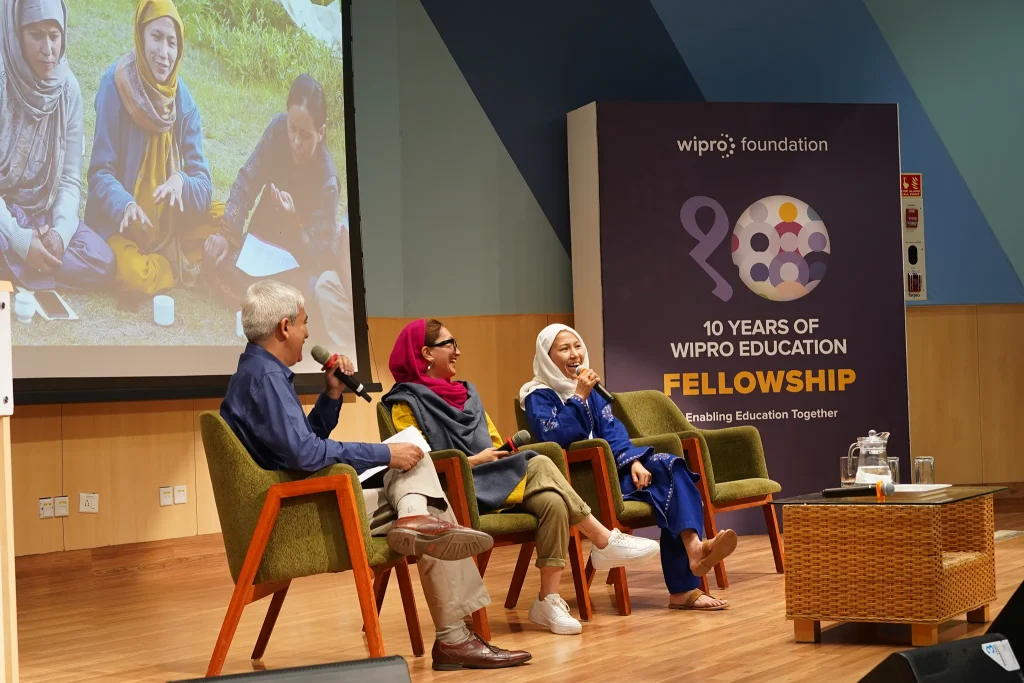
Stanzin Saldon, from rZamba Trust: A key factor in our work in Ladakh is the region’s terrain. It is a cold desert. It now has a population of 3.5 lakh people who are spread across a large area. The population is diverse with seven (7) different tribal ethnicities. In terms of religion also, the demography is varied. Leh is predominantly Buddhist whereas Kargil is primarily Muslim.
There is a significant privatization of education in Leh. In Leh’s government schools, you now find children of migrants from UP and Bihar. There are many Nepali speaking children in the region’s government schools as well. Kargil’s economy is still based on farming. Many of the children are in government schools. So, this is the context of our work.
Initially as a young adult, I was enrolled in a medical college and was training to be a doctor. But I was not happy. So, I dropped out at the end of three years. Just before discontinuing my medical education, I had started volunteering. This got me interested in the social sector in general, and education in particular. That’s how rZamba Trust was started.
Building a team in Ladakh is challenging. In the recent past, there has been political turmoil as well. However, we have managed to develop an objective lens to look at our own society and have been able to grow a robust program as a result of this. As a woman founder, sometimes people in male-dominated spaces have seen me as a novelty, as women in Ladakh generally do not take up such roles. However, as women, we can draw upon our innate sources of strength. People can also be surprisingly supportive at times.
Hakima Banoo, rZamba Trust: I work as the pedagogy lead of rZamba. I also have a keen interest in sports and have been a national level player in judo and boxing. During the COVID 19 pandemic, I was taking community classes in Kargil. In the process, I figured out that the children’s learning levels are inadequate.
The teaching methods were focused on textbooks. The pedagogy primarily revolved around rote learning. Our work has involved shifting to pedagogies based on project- based learning. I have also learnt in the process.
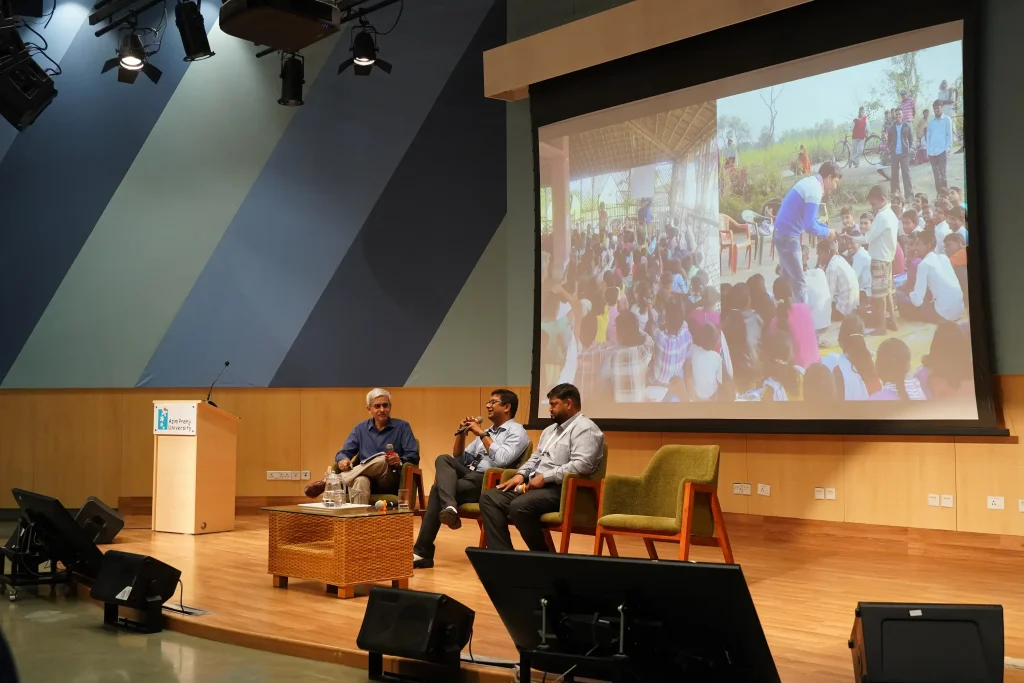
Surya Prakash, PRAYOG: Our work started with a community library in my ancestral village. Working in one’s own village is not easy. The initial idea was to offer scholarships. A local schoolteacher asked us to seek out the community and children and talk to them. Children wanted to study physics or become lawyers and models. They wanted books. That was the genesis of the library in my village.
At that time, we did not understand libraries. But we did have a lot of passion. In December 2018, we became Wipro Seeding Fellows. This fellowship gave us opportunities for capacity building. In this context, Bookworm’s course on ‘Introduction to libraries’ played an important role in developing our understanding.
Binit Ranjan, PRAYOG: I did not have a proper education during college. After joining PRAYOG as a volunteer, I started engaging with books properly. This started my process of education. The Wipro community (other Fellows, Program Managers, etc.) supported me. I started learning from the children and teachers. Whatever little I understood, I tried to practice.
An NGO’s leadership and its culture must understand where local youth members are coming from. There also has to be a place for making mistakes. The number of women team members has grown from one or two in 2018-19 to more than fifty in 2025.
In conclusion
The sharing of the co-founders alerted the gathering to the fact that creating a team for realizing the vision of the organization and building robust engagements with local communities are processes that are intimately connected with each other. Building domain-specific capacities is critical, so is nurturing abilities to relate to each other as human beings.

No approved comments yet. Be the first to comment!