
The quiet revolution we keep overlooking: the importance of teacher professional development
This article highlights the importance of sustained, teacher-centred professional development and deep state–civil society partnerships to strengthen education systems. It also emphasizes teacher well-being, agency, and continuous learning as foundations for meaningful change.
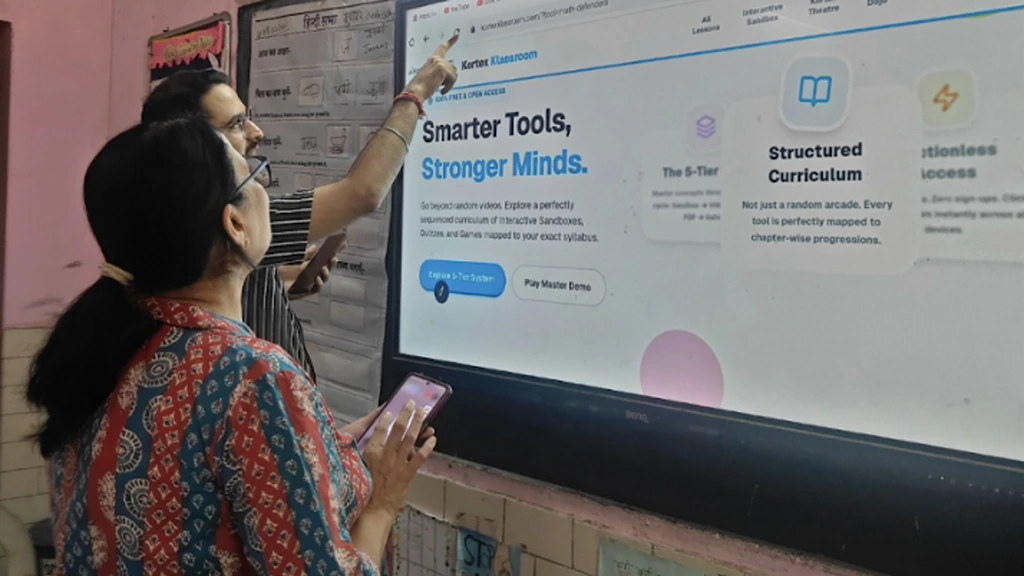
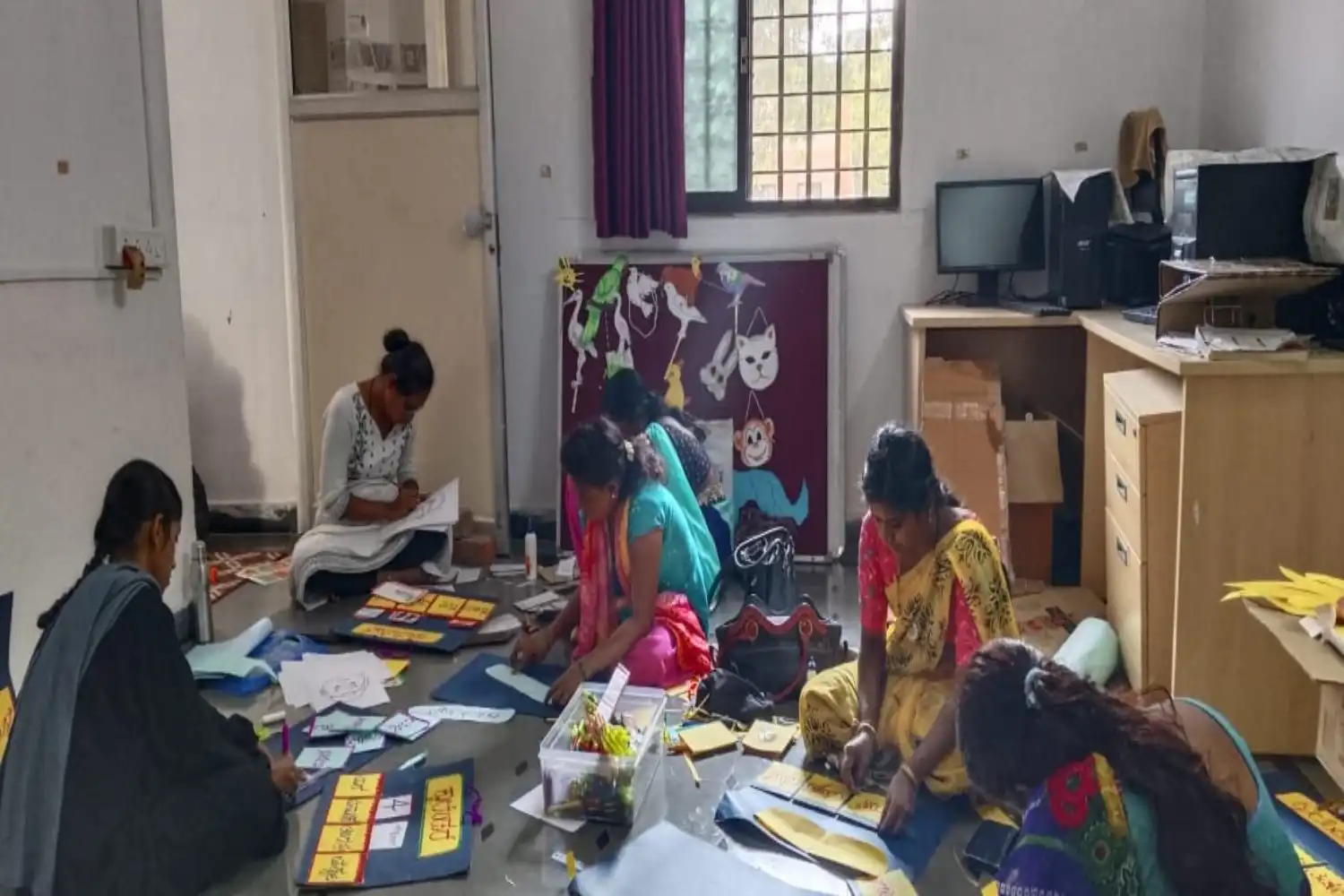
Photo Credit: Simple Education Foundation
A few years ago, I sat in a government school classroom in rural Uttarakhand and watched a teacher do something remarkable. She had a room full of children across three different grade levels, one blackboard, and no teaching assistant. And yet, every child in that room was learning. This was not because of a miracle, but because someone had invested in her. Someone had taken the time to help her think about her own practice, to give her the tools she could adapt, and to trust her professional judgment.
That teacher stays with me. Not as an exception, but as proof of what becomes possible when we take teacher development seriously—not as a bureaucratic checkbox, but as an act of faith in human capacity.
India has over 9.7 million teachers serving in government and government-aided schools. They comprise the largest public workforce directly shaping the future of this country. And yet, the conversation around improving education continues to orbit around curriculum reform, textbook revision, and technology. It is as though the person standing in the classroom is incidental to the process.
This is not to diminish those efforts. Curriculum matters. Technology matters. But none of it lands without a teacher who knows what to do with it, who feels supported enough to try, and who sees themselves as a professional rather than a delivery mechanism.
The National Education Policy 2020 acknowledges this when it speaks of continuous professional development, teacher autonomy, and the need to restore dignity to the teaching profession. These are not passing mentions. These are central to the policy’s vision. The question that confronts us now, as we move from policy text to implementation, is not whether we agree with this vision, but whether we have the collective will and the institutional architecture to make it real.
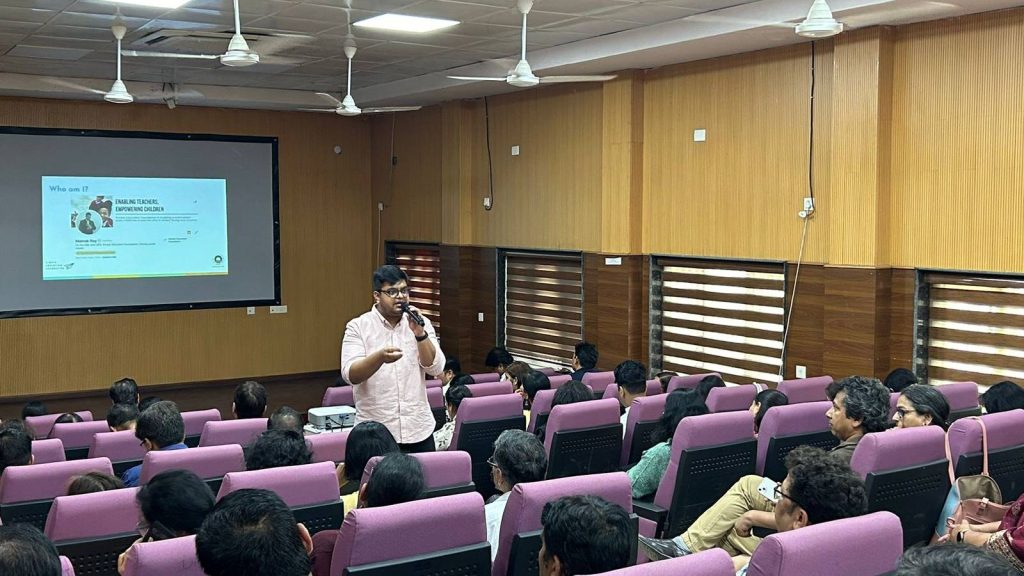
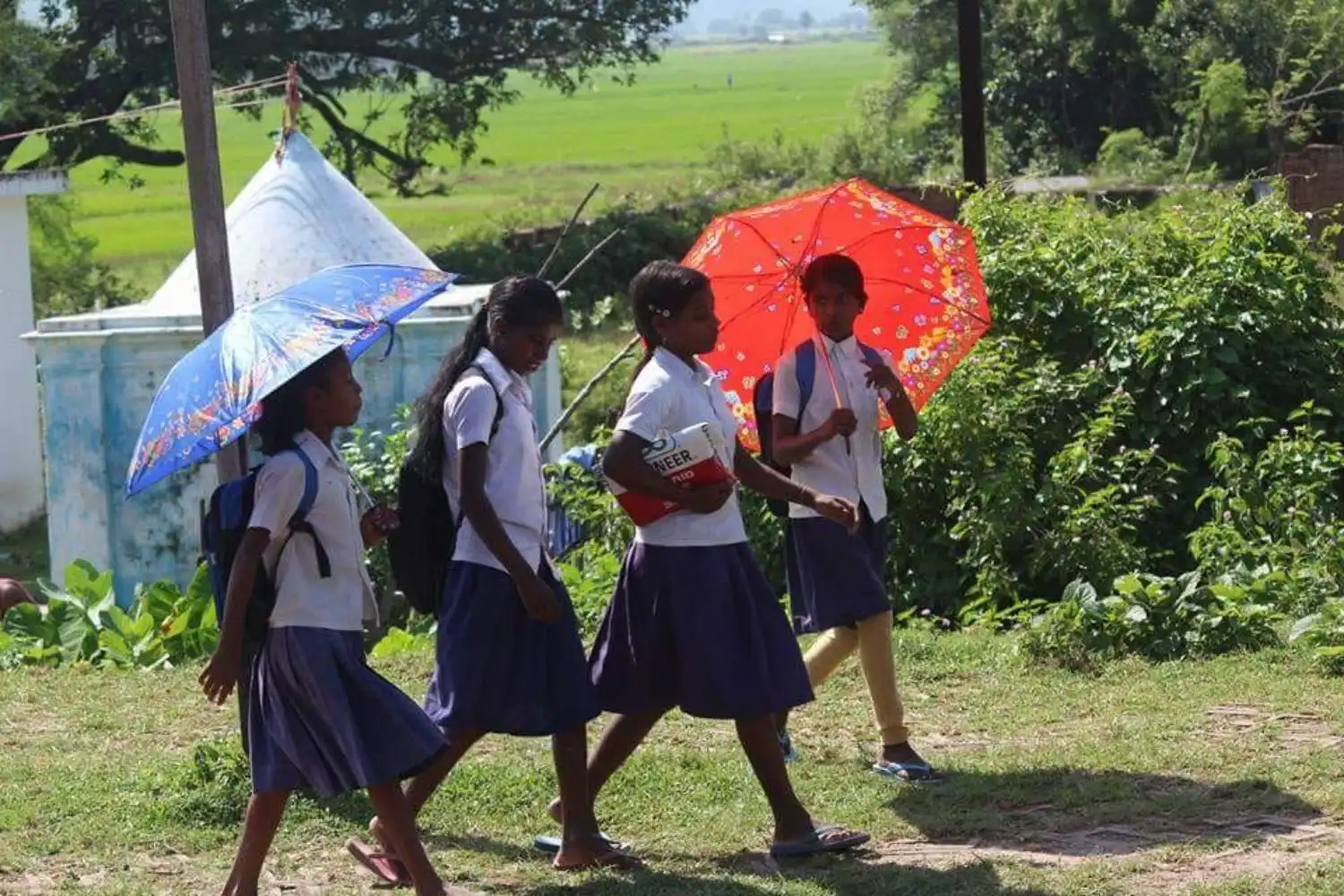
Photo credit: Simple Education Foundation
Making it real requires us to be honest about what currently exists. Most of what passes for teacher professional development in India remains episodic. A five-day workshop here, a cascade training there—well-intentioned, but structurally incapable of producing lasting change. Teachers attend, take notes, and return to classrooms where nothing else has shifted. The training becomes an event, not a process.
What we have learned at Simple Education Foundation (SEF), through over a decade of working alongside state governments in Delhi, Punjab, and Uttarakhand, is that meaningful professional development looks fundamentally different. It is sustained. It is rooted in the teacher’s own classroom reality. It treats teachers not as recipients of knowledge, but as reflective practitioners capable of growing through their own inquiry.
And, here is the part we do not talk about enough. This part attends to the teacher as a whole person. A teacher who is overburdened, under-recognized, and anxious about administrative compliance is not in a position to experiment with new pedagogies. Professional development that ignores teachers’ well-being is building on sand. It is not a soft, peripheral concern. It is the foundational infrastructure for any serious reform.
But even the most thoughtfully designed model of teacher development cannot work in isolation. It needs the state not as a distant endorser but as an active partner. And here, we must be honest about a second gap. In practice, most partnerships between civil society organizations and state governments remain transactional. An organization proposes a program, the government grants access, activities are delivered within a bounded timeframe, and the engagement ends.
This model has its uses. However, it rarely produces systemic change. It leaves the organization as an external implementer and the government as a passive host. The partnerships that actually shift systems require something harder—a willingness to embed within government processes, to work with SCERTs, DIETs, block resource centers, not as consultants, but as collaborators.
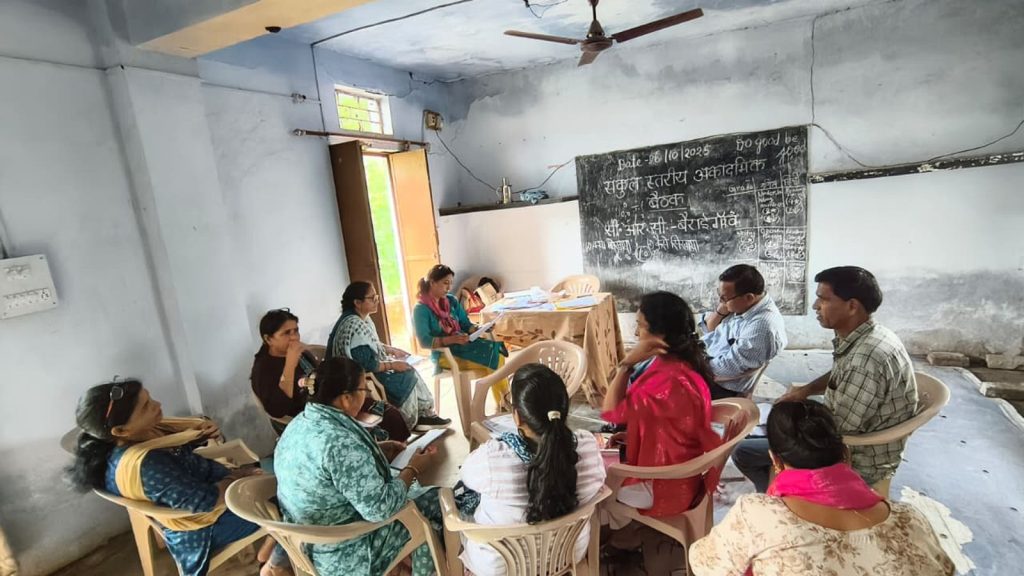
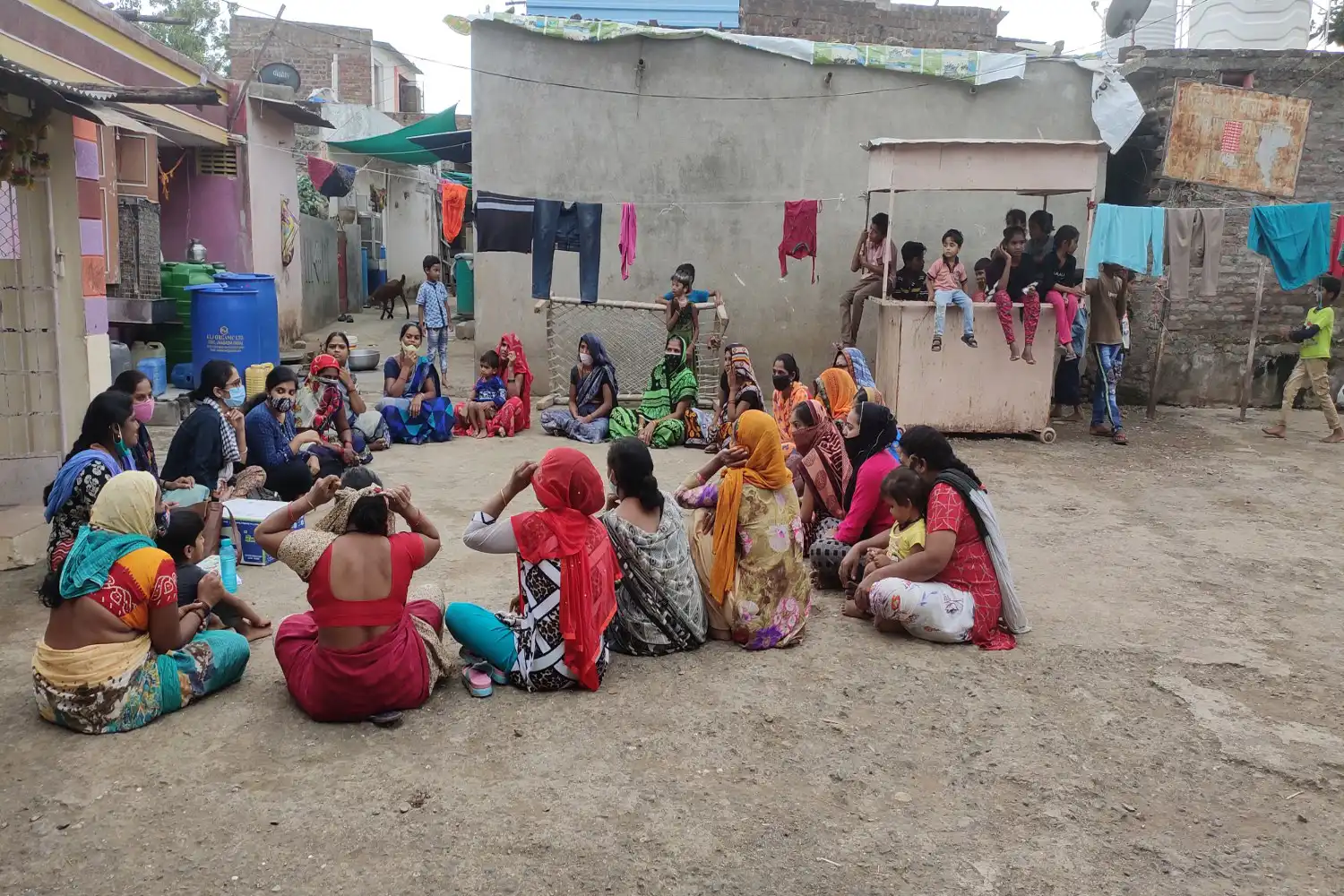
Photo credit: Simple Education Foundation
These require patience. These need the government to see the partnerships not as acts of outsourcing, but as vehicles for building its own institutional capability. This kind of partnership is harder to fund, harder to measure, and harder to narrate in an annual report. But it is the only kind that outlasts the tenure of any single officer or program cycle.
Sustaining such partnerships also demands a few skills from the organizations themselves. These include the ability to navigate bureaucratic complexity without losing sight of the pedagogical vision, and to produce rigorous research. They should also be able to develop contextually appropriate tools, and attract and retain thoughtful people.
These are not secondary concerns. They are the engine. We cannot build institutions capable of transforming education if the organizations doing that work are themselves fragile, under-resourced, and short on institutional memory. Technology has a role to play here. Digital platforms can extend the reach of training. AI-powered tools can offer personalized feedback. WhatsApp-based communities can sustain peer learning between formal sessions.
But technology is an amplifier. It amplifies the quality of what already exists. If the underlying model of professional development is weak, if it is still top-down, still compliance-driven, still indifferent to teacher agency, then technology will only make that weakness more efficient. The question is never simply—can we digitize this?—rather it is—is this always worth digitizing?
I write all of this not as a comprehensive answer but as an invitation to a longer conversation. The field of teacher professional development in India is at an inflection point. There is policy momentum. There is growing evidence. There is a generation of practitioners and researchers who have spent years in this work and have hard-won insights to share.
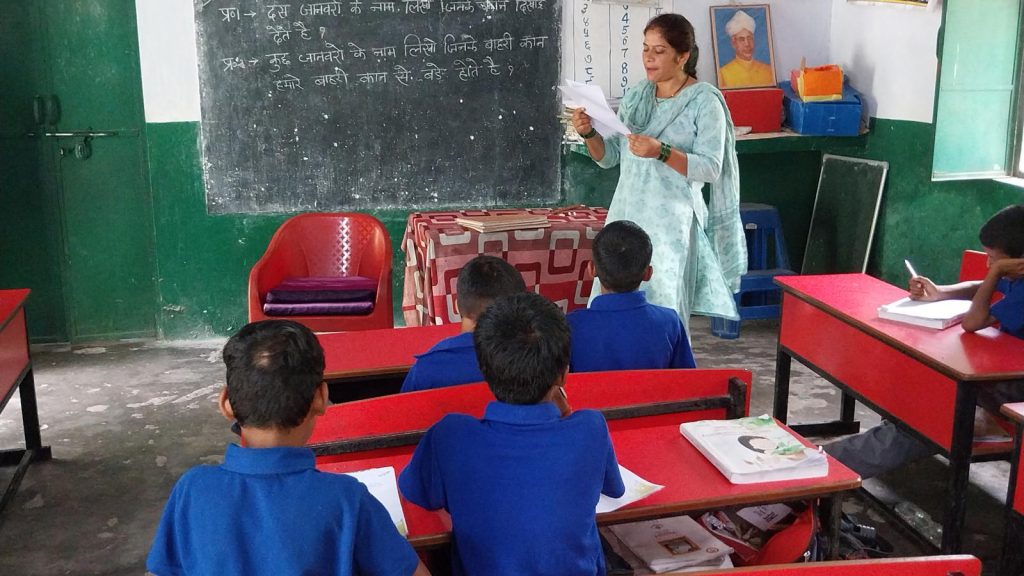
Photo credit: Simple Education Foundation
What is needed now is a space where these voices can think together, across state boundaries, across organizational mandates, and across the practitioner-researcher divide. Not to arrive at a single model, but to deepen our collective understanding of what it takes to support the people who, every morning, walk into a classroom and try.
That, in the end, is the revolution we keep overlooking. It is quiet. It is slow. And, it is the most important work there is.

Related Articles
By | July 8, 2023
No approved comments yet. Be the first to comment!