
Tribal communities, the governmental school system and non-profits
In the interview of this issue, Anil Pradhan, based on his extensive work with tribal communities of Odisha, shares his insights about productively using the MLE approach while working on issues related to tribal children’s learning; he demonstrates how working with both communities and the governmental education system is needed as a part of this process.
Anil Pradhan is a social activist. At present, he is Member-Secretary, Sikshasandhan, a resource center for education based in Bhubaneswar, Odisha. He has more than three decades of experience in the field of education, especially in mother-tongue-based multilingual education.
Samuhik Pahal: What are some of the challenges that you have faced while working with tribal communities in the field of mother-tongue-based multilingual education in the public school system?
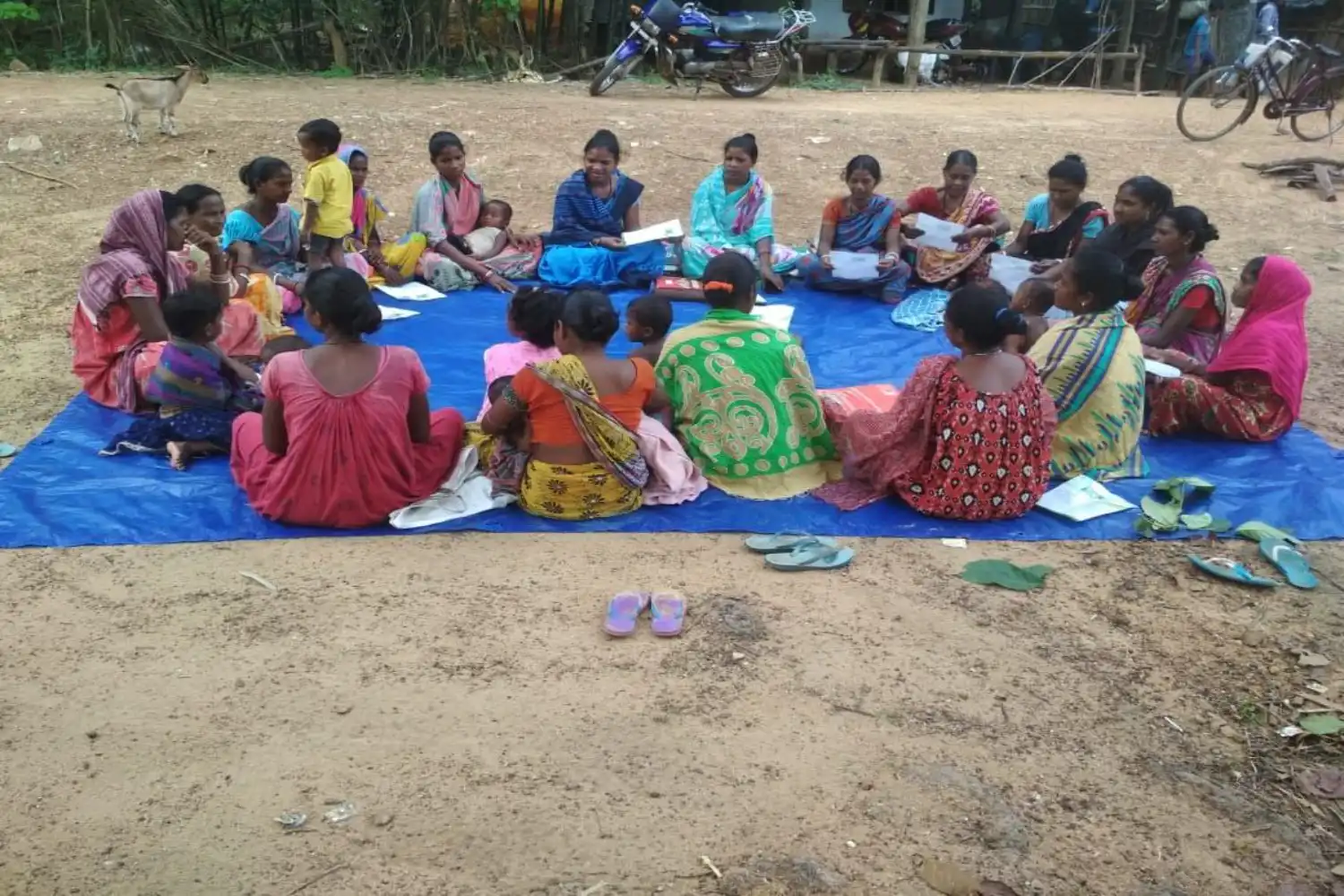
Anil Pradhan: 23% of Odisha’s population is tribal. A large number of tribal communities, numbering 62, live in the state. Out of these, 13 are PVTGs (Particularly Vulnerable Tribal Groups). Linguistically speaking, the situation of these tribal communities in the thirty districts of the state varies quite a bit. In many districts, they have lost their language completely.
However, in the districts that are demographically dominated by tribal communities, we do face linguistic challenges while addressing their children’s educational needs within the formal education system. Around 25 tribal groups still have their own languages. It’s difficult for those children to interact in Odia, the state language.
Therefore, working with different tribal groups, one faces a variety of challenges. Communities living within easy reach of markets have an interface with Odia and face fewer linguistic issues. Children from communities living in the more interior areas face greater linguistic challenges in education because of a lack of exposure to Odia. In schools where there are children from Odia-speaking communities, as well as from those speaking tribal languages, the linguistic problems are fewer. However, even in these contexts, cultural differences persist that make it difficult for children to learn. Tribal children tend to be shy and gentle. They find it difficult to fit into the rigidities of the existing formal schooling system.
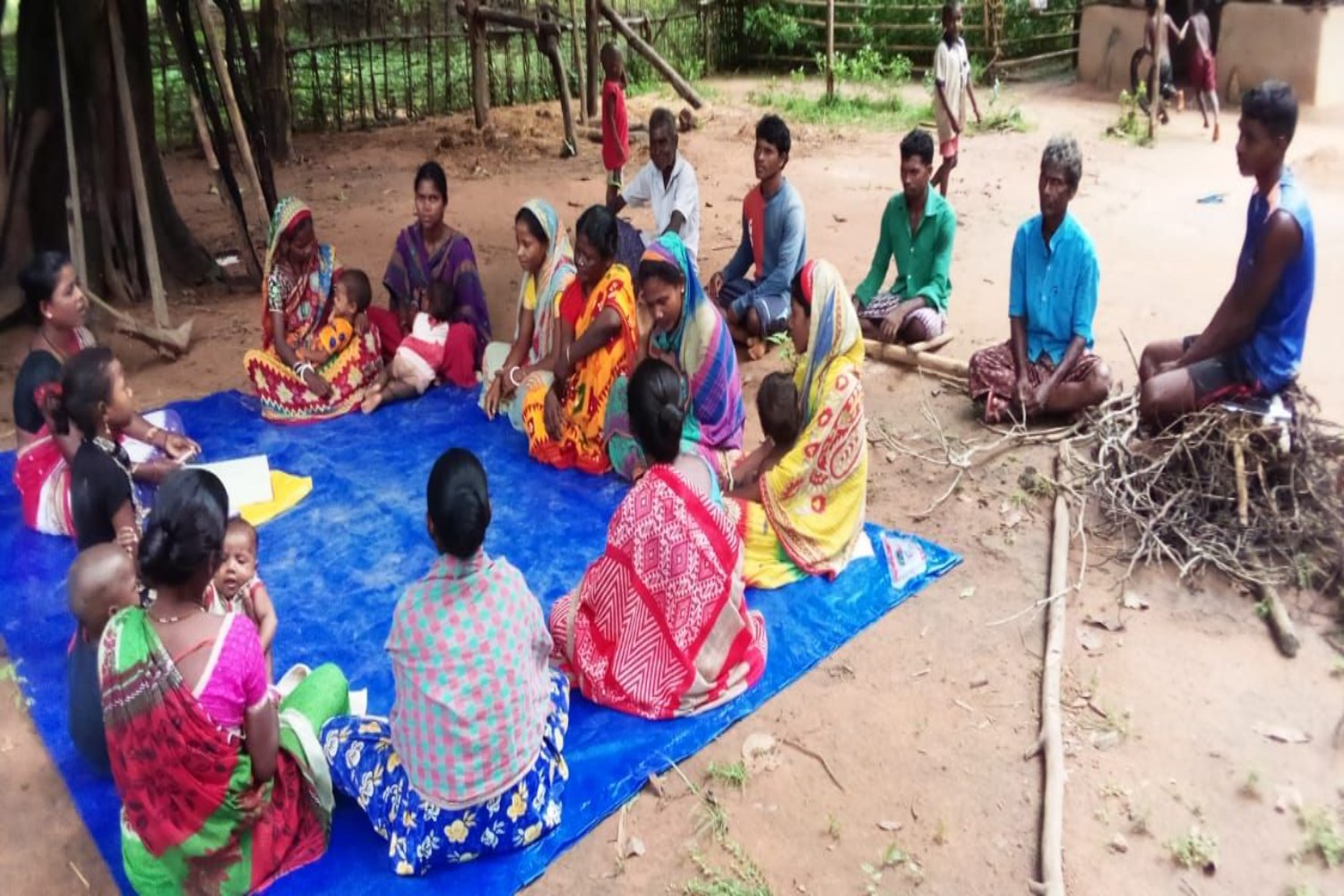
Different areas have different problems. We cannot have a monolithic solution for these. For an organization to work on the education of children from tribal communities, cooperation from the schools is critical. Especially, teachers need to be cooperative. The government also needs to extend a helping hand. The state government does not easily grant permission to work in schools, especially those in tribal areas. The standard response seems to be, “We have our own teachers. We have our own MLE Program. What would you do?”
Whereas, on the ground, the Government of Odisha’s MLE program is limited in its implementation. There are approximately 12,000 schools in the state, in which at least 80% of the students come from ST (Scheduled Tribe) communities. The number of schools with 100% tribal children is around 5,000–6,000. The state government’s MLE program is operational in only 1,500 schools. So, when the government says that they have an MLE program running, they generally don’t share the proportion/number of the schools in which it is functional, and the quality of the processes and outcomes of this program.
Therefore, getting permission to work in government schools with tribal children is one big challenge. The other one is getting the necessary cooperation from the teachers. Wherever we have worked, we have done so by involving all the teachers in the schools. This is a problem area in the implementation of the MLE Program. Even in schools where the MLE Program is functional, sometimes most other teachers (those not directly involved in the program) do not have any idea what it is about; only the MLE teacher knows about the program. However, according to our understanding of the issues at hand, if all the teachers do not have a common understanding about the implementation of the program and are not oriented towards working it out, it is not possible to implement the MLE Program.
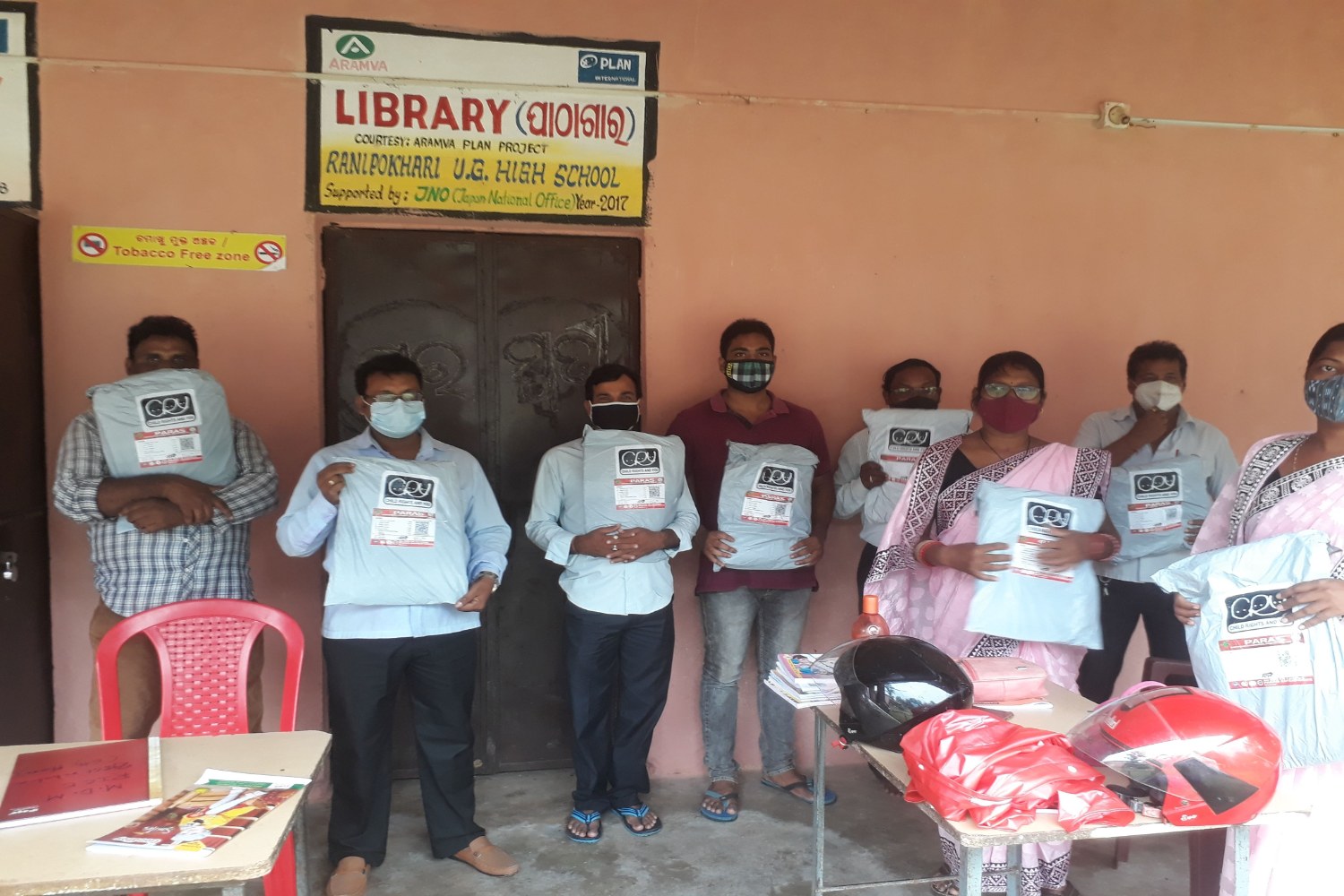
Another problem is the transfer of the concerned teachers. We spend a considerable amount of time working with the teachers. We facilitate their growth through training programs, etc. And then, they get transferred.
Schools in tribal areas must have teachers from the same local communities. This has been one of our key demands. Our experience is that training Odia-speaking teachers is not often very effective. Then, it boils down to the attitude of the teacher. Perhaps the ethnic background of the teacher is not that critical. However, they must know the language of the community from which the students are coming to the school.
If the teachers do not stay in the school for at least 5–7 years, then it is difficult to work with them consistently and produce any results on the ground. This is because we need to work on multiple fronts with the teachers for making a dent in children’s learning. These include attitudinal training of teachers and building their perspective to actual hands-on work on using TLM. Therefore, if the teachers keep getting transferred, we may continue to work, but it would not be possible to show the required results.
Therefore, it is a good strategy to negotiate with the government to have a freeze on the transfer of teachers in intervention schools in tribal areas. Getting motivated and interested teachers transferred to understaffed tribal schools through a process of incentivization would also help as a policy tool.
There also needs to be a special drive for recruitment in schools with tribal children, as these are often chronically understaffed. The government must also build in a clause for at least 10 years of mandatory service in these schools following recruitment. This is to address the fact that we have seen cases where teachers, on joining schools with tribal children, have got a transfer on the next day or the next week.
I have listed out these problems of working with the system, as we do not usually face any problems in our community interface in the areas in which we work. In some areas where there has been a slightly greater spread of literacy because of many different kinds of interventions, there seems to be a loss of faith in their own language and culture. Leaders and elites in these communities sometimes challenge the wisdom of education in their own languages. They have often lived outside for some time, have been exposed to the formal education system, and seem to have developed some kind of an inferiority complex about their own language and culture. These elites and leaders do not seem to see the benefit of education in their own languages that is culturally contextualized.
However, in the areas in which we work, that is not the case. These are mostly inaccessible regions with very low levels of literacy. When we talk to community people in these areas, they get what we are trying to do and are cooperative. These conversations and negotiations then end up becoming a part of the process of creation of their linguistic and cultural identity as well.
Therefore, we have not usually faced any problems in working with tribal communities with an MLE approach in the areas in which we are active. Even in the other kind of regions, which we discussed earlier, engaging with communities and their elites/leaders in a sustained manner most probably would result in their acceptance of the broader MLE approach.
Sociocultural challenges of working with tribal communities in our intervention context include the sheer physical inaccessibility of these areas. Because of this, teachers often do not want to be posted in the schools in these areas. Processes of economic development are yet to reach these regions. Because of the lower level of economic attainments, the education of children is still not a priority for a large number of households. This is true for some families, of course, especially those who are economically more vulnerable.
A large number of such communities have also not been able to develop their voice for articulating their interests and demands related to teacher absenteeism and the quality of classroom transactions. One way in which families are dealing with situations of sub-optimal teaching-learning in their local schools is to send their children to ashram schools. This is a result of their inability to raise their voice to fix matters in the local village schools.
Sometimes even local MLAs who belong to tribal communities are not politically empowered enough to raise and make the shortcomings in the school education system in their constituencies into a matter of public debate. But some ST groups, such as Ho, Munda, Saura, etc., have been able to develop a sense of community identity related to their language and culture. Now, these communities want their children to be educated in schools in their own languages. Especially the Hos have been agitating of late. Their representatives have gone and met the President of India, with petitions for inclusion of their language in the Eighth Schedule of the Constitution. This is surely a positive development.
Samuhik Pahal: How have you addressed these challenges in your work on education with the tribal communities of Odisha? Please share with us the wider systemic context of your interventions.
Anil Pradhan: When the World Conference on Education for All took place in Jomtien in Thailand in 1990, its declaration pledged for the universalization of primary education and to reduce illiteracy significantly by 2000. In this context, many programs, such as DPEP (District Primary Education Programme), were started at the national level. Organizations, like Agragamee, were working in Odisha’s tribal areas in the field of education and were innovating with using tribal languages as the medium of instruction. They had facilitated a conference in Kashipur in Odisha. Its report, titled ‘Education for All in Tribal Areas,’ was circulated widely. This report was key in changing mindsets in Odisha, especially for many working with the government.
When DPEP was being implemented, a special program for tribal areas was also started. The Government of Odisha (GoO) took the initiative to develop material in a few tribal languages and created a training module for teachers posted in tribal areas. Before this, some NGOs were involved in similar initiatives on a limited scale. Then, Sarva Siksha Abhiyan (SSA) was started in 2001. As a part of the SSA, the GoO started a full-fledged MLE program in 10 languages in 1,500 schools.
In the meantime, NGOs had started a movement for mother-tongue-based preschools for children from tribal communities. We were also a part of the process; we had started our work in Mayurbhanj by then. Slowly, a momentum was building up towards an MLE policy. Because of significant momentum built up by civil society organizations, GoO finally formulated and approved a policy for MLE in the state during 2014–15. Prior to this, the number of tribal languages covered under the state’s MLE Program was extended to 11 more languages (21 in total now) in 2012–13.
But the number of schools covered under the program has not increased, whereas the recommendation of the MLE policy is to do so. Another provision of the policy was to make MLE into a full-fledged program and to have training, research, and evaluation as integral components of the process. However, none of that seems to be happening on the ground. The number of schools still stays at around 1,500. The government has recruited 3,500 teachers for the first time; this is in addition to routine reservations, just to ensure the implementation of the MLE policy. Material has also been developed till the fifth grade. But the implementation is not what the policy envisages.
When the policy and its guidelines were being formulated, we, as an organization, tried to play a proactive role. There were groups who were arguing for translating pre-existing material into tribal languages. We wrote to the government saying that the teaching-learning material needs to be sensitive to the sociocultural context. We argued that such material must include stories, songs, and festivals of tribal communities. Mere translations will not do. We need to develop material in tribal languages that speaks to the experiences of tribal children and the specific communities they belong to.
Initially, the conversation in the government circles was to only have a set of guidelines and not a policy. As a part of the drafting committee, we argued in favor of formulating a policy rather than just having a set of guidelines. We also argued for recruiting teachers from local, tribal communities and the need to take cognizance of constitutional provisions such as that of the Fifth Schedule of the Constitution while drafting policies and guidelines, and creating programs.
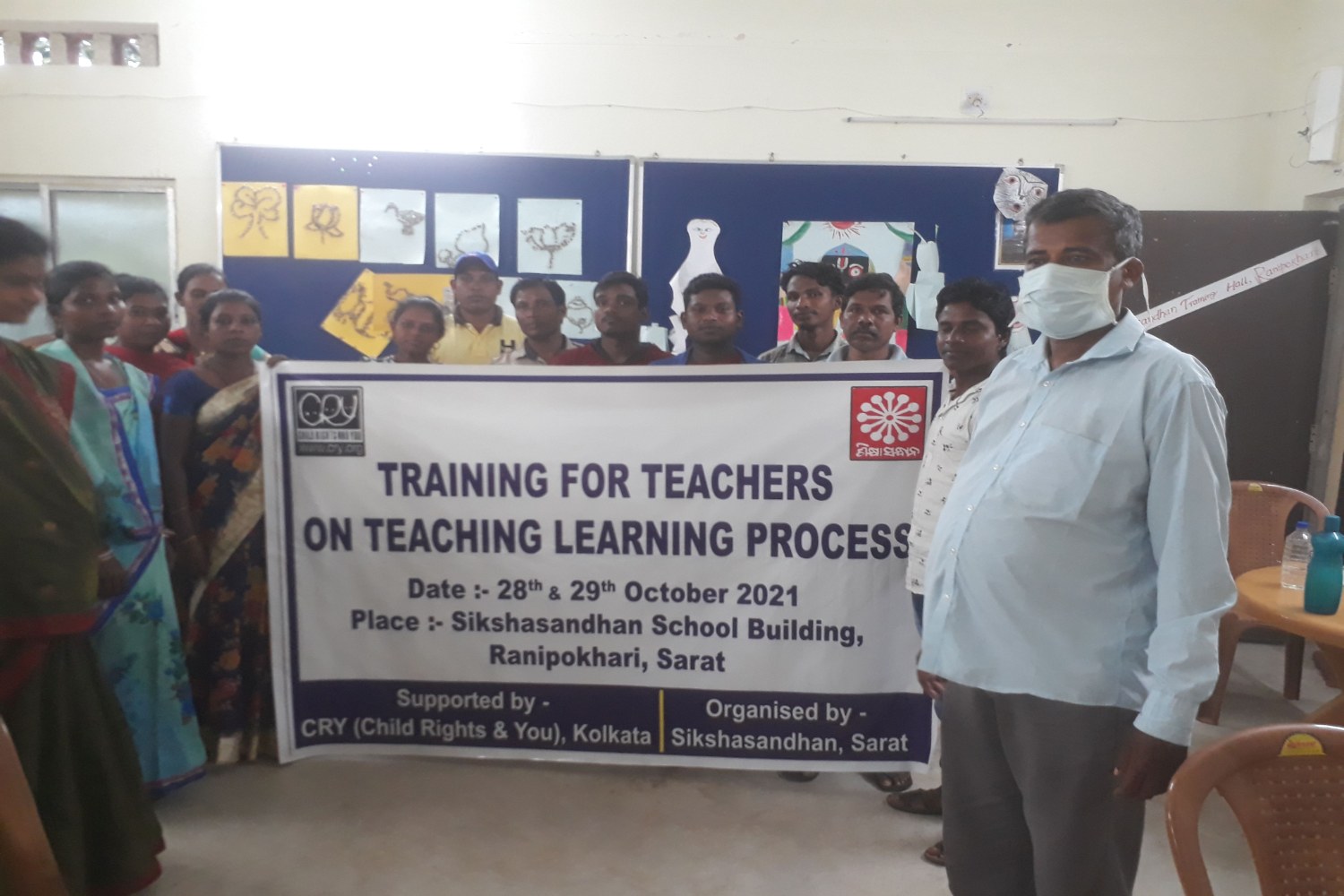
To ensure proper implementation of the MLE policy, we have been doing advocacy with local MLAs. We have also held meetings with local communities. We have had consultations with the various jati mahasabhas (community federations) of the ST groups as well.
We started working in the field of education of tribal communities in the year 2000. From the year 2000 to 2008, we ran an alternative education program. In this program, we worked with local curricula and local teachers. Even the timing of the teaching-learning processes was decided by the communities. From deciding the timings of the students coming to the learning centers to selecting the teachers, the local community had a central role in everything. We feel that this intervention was quite successful on three counts—preparing locally relevant curricula and pedagogic processes in tribal languages, community involvement, and preparing a cadre of local teachers.
When the RTE Act came into being, we started working on the proper implementation of this law in tribal areas. We also began experimenting with the same set of processes that we have been innovating with, in our alternative education centers, in government schools, in a single panchayat, in Kaptipada block in Mayurbhanj district. This work was successful, and we expanded it to 5 panchayats in the block with the support of different funding agencies. Around this time, the MLE policy and its guidelines came into being, and the recruitment of teachers and the policy’s implementation started. We have shared our learnings widely and are using it as an advocacy tool for furthering the cause of MLE.
Samuhik Pahal: What have been the similarities and differences of working with tribal communities through your own institutional frameworks and those of working with government schools?
Anil Pradhan: When one works with one’s centers, as in the AECs, there is a lot of freedom to innovate with curriculum and pedagogy. When one works with government schools, one has to work in a way that fits in with the preexisting structures and processes. In the latter case, one needs to continuously negotiate. Teachers often do not listen to you. After you work for a while with them, they get transferred.
However, when you work with the government, its impact is perhaps more long-lasting. Now we would want to work in government schools implementing the MLE policy itself. If we are able to work on its implementation, and show where it lacks and what the limits are, so to speak, then perhaps the government can be induced to take the next steps.
Samuhik Pahal: Given the way things have shifted in the broader socioeconomic and cultural contexts, what is your sense of the changed educational landscape in the regions that tribal communities live in?
Anil Pradhan: Earlier, it was unthinkable that tribal languages could be the medium of instruction in schools, that TLM could be developed on the basis of tribal culture, that learning could be facilitated in the languages of tribal communities. There was opposition when these ideas were broached. That opposition exists even now. However, over the last 30 years or so, it has become muted.
At least there is a debate now. Those opposing MLE are not as vocal now as earlier. Even the tribal communities were mostly unaware of the facilitative constitutional provisions that provided protection to their languages and way of life and envisaged the use of their languages in the education of their children.
Various education policies have also consistently argued for these positions pertaining to making education available to tribal children in their own languages. The difference over the last 3 decades is that there are now substantive debates and discussions on how to make this possible on the ground. Now, a large number of children come to school or at least want to come to school. Apart from some children from particularly underprivileged backgrounds, e.g., those who are orphans or come from very poor families, there is a real interest in education and schooling now.
There is a demand for residential schools. This is especially so because the condition of the village schools in tribal areas has deteriorated. The number of village schools has gone up. But the provisioning of teachers and infrastructure has not kept pace. There are many schools that still don’t have buildings after so many programs, and where teachers have not been capacitated. The number of single-teacher schools is also substantial in tribal areas.
This is vital because, at the primary stage, ideally, students should not have to leave their homes for education. If at all, it is perhaps all right at the upper-primary or high-school level. Now, the GoO has this policy of opening hostels. Coupled with the fact that parents and other community members don’t have the voice to demand effective teaching-learning processes in their own village schools, they seek the easiest way out, which is to send their children to hostels. These hostels provide children with free boarding and lodging. But separating small children from their parents has obvious psychological costs.
The school closures that are now taking place across the state will especially affect tribal children adversely. School consolidation will result in a large number of out-of-school children from tribal communities. Because of the mergers that have taken place till now, many tribal children have already dropped out of school. This will only increase with the proposed school consolidation process.
We need to strengthen village schools in tribal areas and teach tribal children a contextualized curriculum in their languages. We need to develop a preschool system in their own languages as well. If tribal children are taught for 8 years in their own languages (3 years in the pre-primary stage and 5 years in the primary level), this will aid in their learning processes. It will facilitate the development of their languages and culture as well. Those children who have studied in their own languages as the medium of instruction are quite competent in Odia. Whereas those who have studied in Odia medium schools are not that good in Odia.
Samuhik Pahal: Given your 3-decades-long experience of working with education in tribal communities, what are the learnings you think are of relevance when working with these communities, in particular, and various other communities across the state and the country, in general?
Anil Pradhan: In many tribal areas, local communities seem to suffer from some kind of an inferiority complex. This needs to be worked on by continuously dialoguing with them to create a sense of confidence in their own language and culture. This helps children learn better as well.
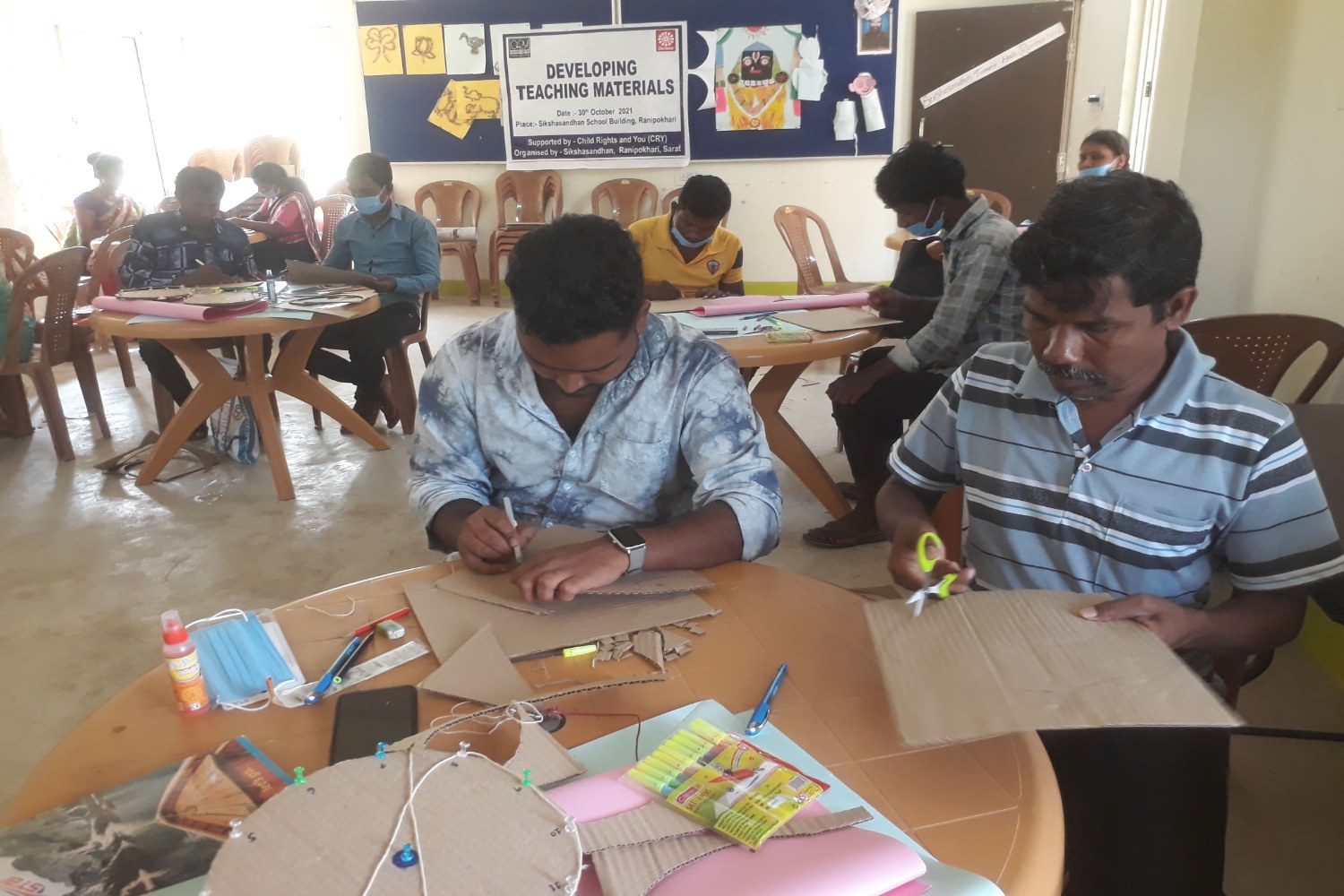
One strategy that seems to work is to train teachers and volunteers from tribal communities themselves. This is effective, both for awareness building as well as for pedagogic interventions in classrooms. Therefore, apart from classroom-specific work, one has to work on an associated set of issues related to tribal language, culture, and identity building. One also needs to work in a decentralized manner. If we could capacitate resource persons at the block level to create textbooks and other TLM for their own areas and schools, then that would go a long way in meeting the learning needs of tribal children. In fact, this was a key, relevant recommendation of NCF 2005—for each school to have its own syllabus.
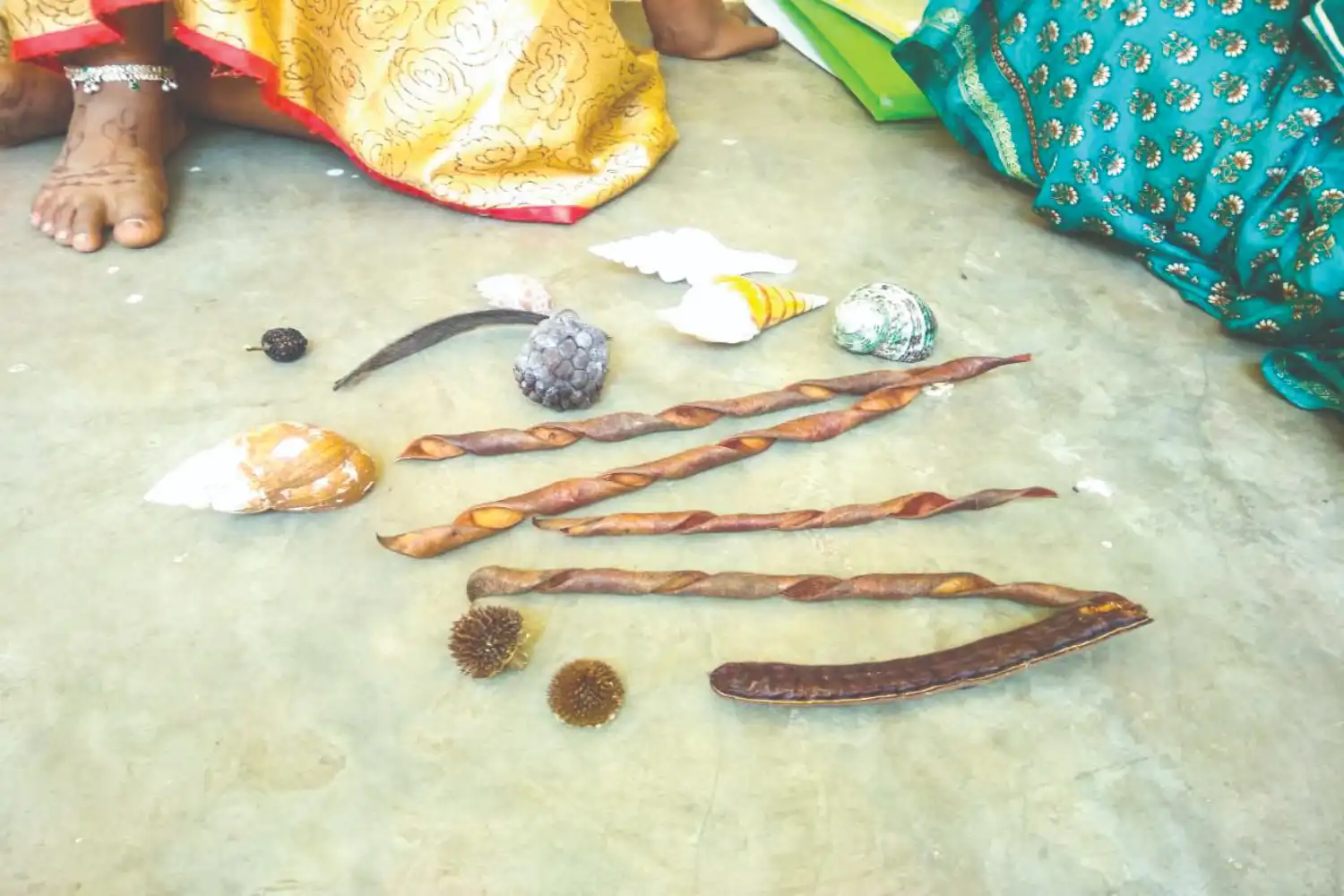
Creating TLM and textbooks is not that difficult. We have facilitated processes for the same. And when teachers create their own textbooks, they start feeling confident and empowered. We have made TLM and textbook creation into some esoteric, specialized, expert area of work, when that is not the case. There are quite a few issues in the way children are made to learn in the public education system in non-tribal areas as well.
There is a need for interventions based on a child-centered, activity-based approach in schools in these areas also.
Now, CRCCs (Cluster Resource Center Coordinators) provide training. DIETs, generally speaking, are disconnected from teacher-training processes. Therefore, even when innovative curricular changes are made, and textbooks are produced, these end up being used in a traditional manner. We have found that, like in tribal areas, teachers elsewhere need both training and handholding in the classrooms. Otherwise, teachers continue to teach in a traditional way even after participating in training programs.
In Odisha, there is a lot of variation in language and culture across the state. The same approach that we have followed in tribal areas—of contextualizing the curriculum, for example – should be followed in non-tribal areas as well. The only large difference is that language might not be a differentiating factor in many regions.

Related Articles
By | April 29, 2026
No approved comments yet. Be the first to comment!