
Sahodaya: ways of sustainable living and learning
In ‘Sahodaya: ways of sustainable living and learning,' Rekha Kumari, Himanshi, and Anil Kumar share their experiences of working with and building communities as salient aspects of the educational alternatives they are trying to co-create in a remote part of Bihar.
Background and community
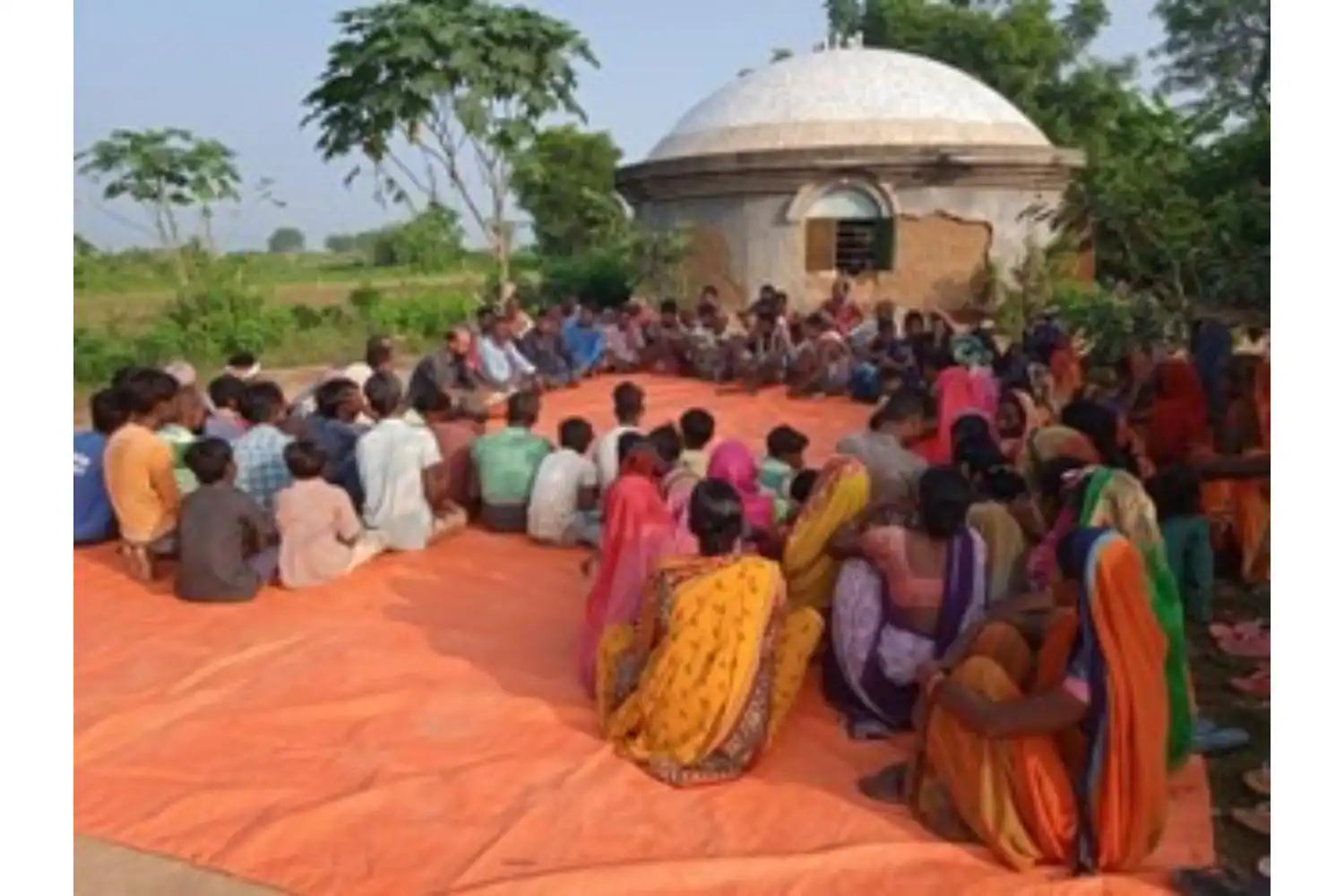
Sahodaya was founded as an organization on December 5, 2016, in Patna, in formal legal terms. Its process, structure, and objectives are being co-created by a couple, Rekha and Anil, and the inhabitants of a village in Bihar. Rekha and Anil had been living, studying, and working in Delhi until 2015. In 2015, they quit Delhi and their jobs to come to Bihar to try and live sustainable lives in a rural area and work at their native place or any other suitable place. Seven acres of Bhoodan land, at a village in Gaya, Bihar, was donated to Sahodaya Trust in 2017. This land was formerly held by the Bihar Bhoodan Yagn Committee. It was donated to Sahodaya with the understanding that the organization would work with the Bhoodan farmers’ children for their education, and with the rural community for the development of the village. Land was allotted after Rekha and Anil had held several meetings, had conversations with the villagers, and received their consent (verbally as well as in written form) to work in their village with the objectives and principles of the trust. Since 2017, they have been living there with their children and working with other children of the village.
Sahodaya has been primarily working with children of the most deprived and oppressed community, called Manjhi, or ‘Mushhar’, at a village called Kohabari in Barachatti block of Gaya district in Bihar, since 2017. Rekha and Anil, along with their own two kids, have been living, learning, and working with children to develop a holistic system of learning. They try to live a community life together in a close relationship with nature.
Principle and objectives
Rekha and Anil chose the domain of education to work on because it concerns them the most, for their own child, as well as for the community they live with. They think that the current system of education is the primary, systemic cause and source of the changes we see currently in human life and the world around us.
The current condition of human life, especially in the urban and so-called modern, educated, and developed areas, reflects various gaps. Examples of these gaps include those between living and learning, learning/thinking and working, reason and emotion, the self and the other, the home and the world, and individual and community. Sahodaya is an attempt to develop ways of responding to these gaps and facilitate an alternative system of learning and education.
One of the ways Sahodaya tries to do this is through community living. Sahodaya is acommunity of people, plants, and animals that prepare themselves to co-exist as sustainably as possible. Here, people try to live their relations with each other, learn and grow as a community, without any disrespect and discrimination for the so-called ‘other.’ In Sahodaya, we also try to live with and learn from nature. Here, the space, infrastructure, and activities have been developed in such away that people live in a close relationship with nature in its native conditions, and learn from it as much as possible.
Some of the learning is to keep evolving, diversifying, being locally grounded, and to work towards preparing better conditions of life, with unconscious immediate attention to the present, and without causing any unnecessary harm to other beings for survival. Here, almost all the houses have been built mostly with mud to feel connected to the soil and nature. These structures are surrounded by local, native flora and fauna. Forest walks are organized regularly to develop a feel for a sense of wilderness. Cleaning our houses, utensils, teeth, and bodies is mostly done with ash, soil, and cow dung.
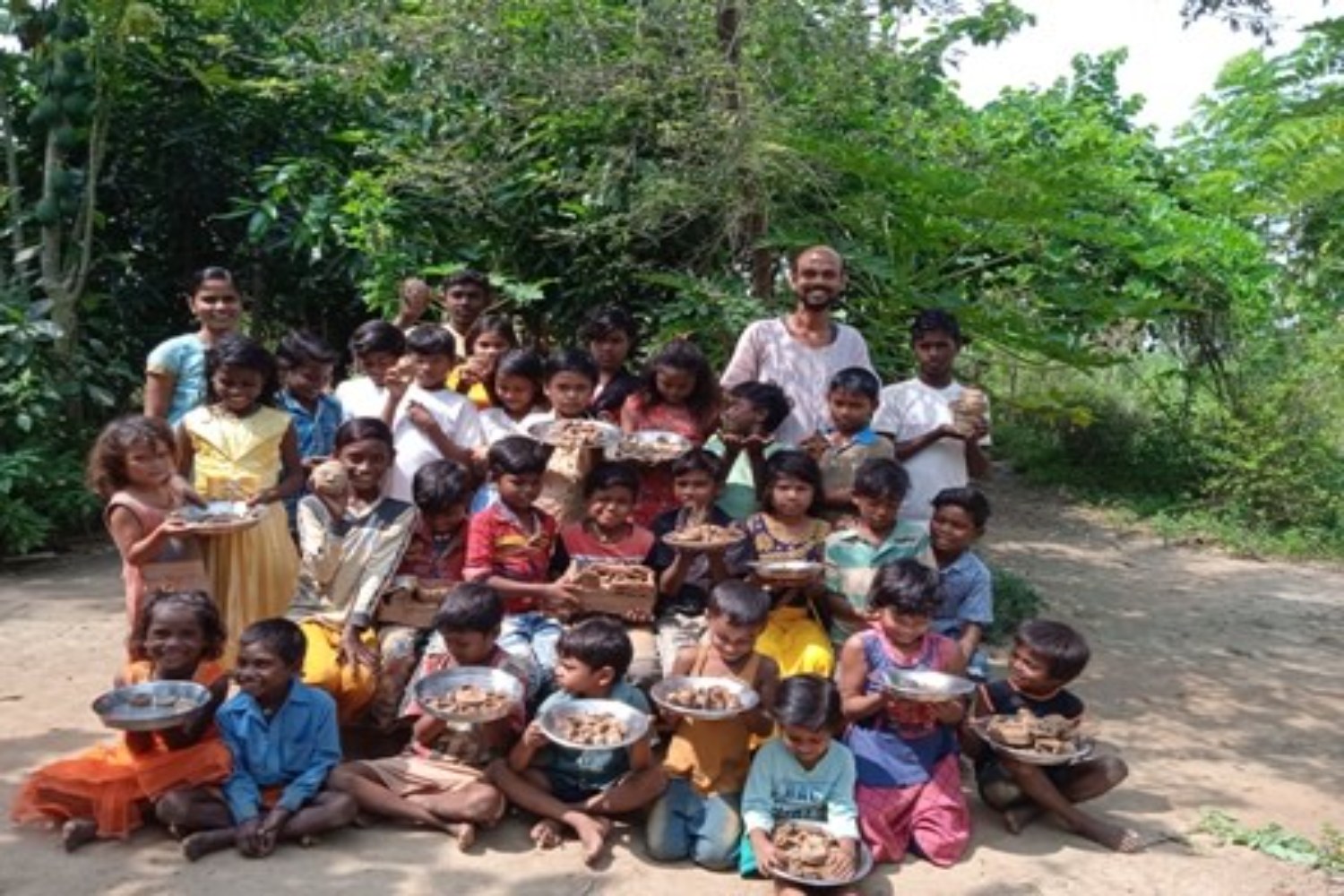
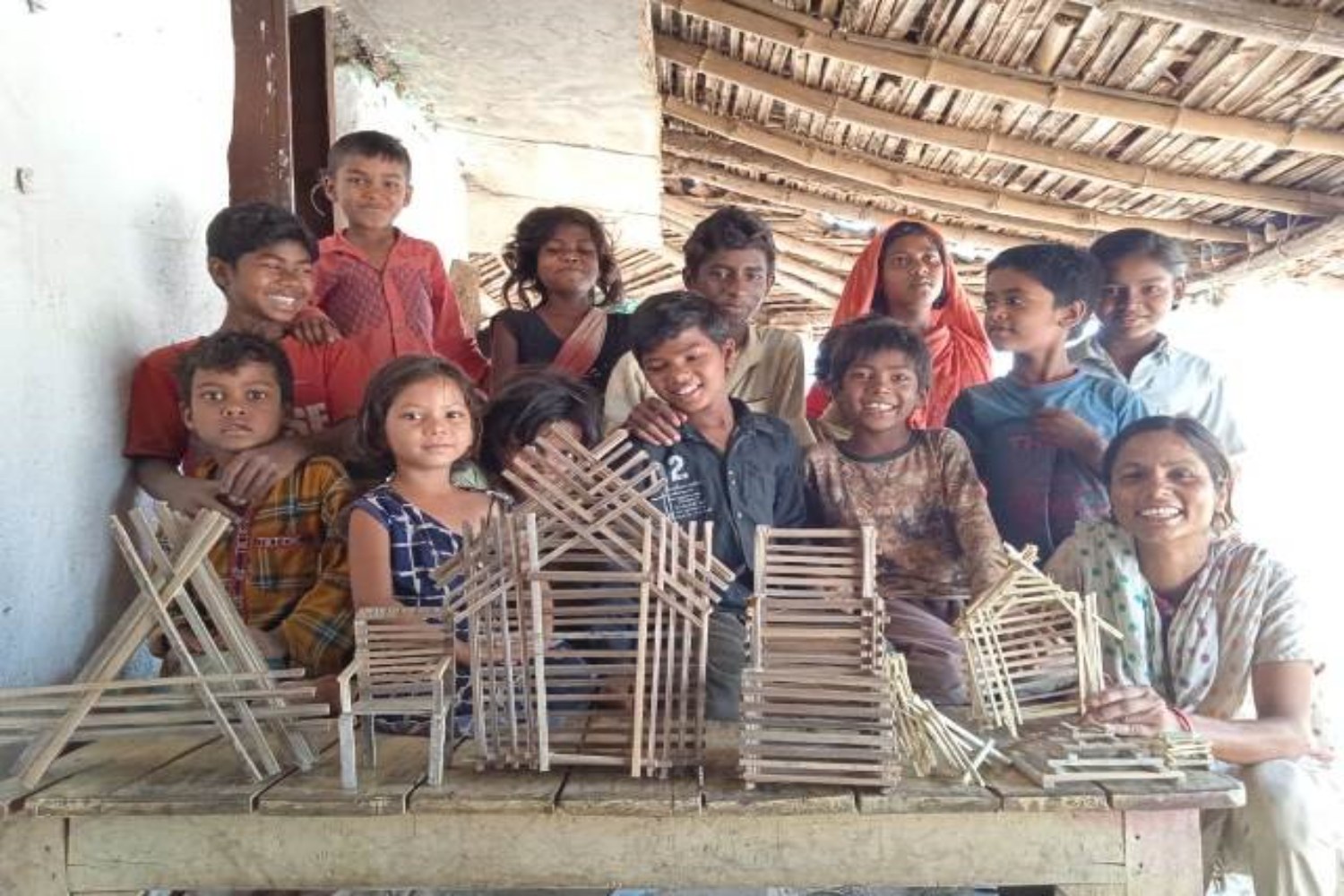
Children make toys with soil, wood, bamboo, paper, and leaves. They have made diyaas with mud, baked them with wood, and colored them with brick powder, on the occasion of Diwali. Children have also made rakhis with local indigenous seeds, thread, and paper and tied them to each other, and to dogs and plants, to celebrate Rakshabandhan. The third aspect of this process is to live how one believes and thinks, through activities, experiences, and explorations. People involve themselves with and try to learn about most of the activities and skills required for living in households, farming, environmental conservation, and rural community development.
The third aspect of this process is to live what one believes in and thinks, through activities, experiences, and explorations. People involve themselves with, and try to learn about, most of the activities and skills required for living in households, farming, environmental conservation, and rural community development. The fourth way is to live, promote, and conserve our indigenous systems. People here mostly speak in their local language, Magahi. They sing songs in it. They even write songs and their diaries in Magahi. They try to eat the local food and prepare some new varieties with indigenous grains, millets, leaves, and vegetables. For example, they prepare delicious, sweet ragi laddoos with finger millet produced at the Sahodaya farm.
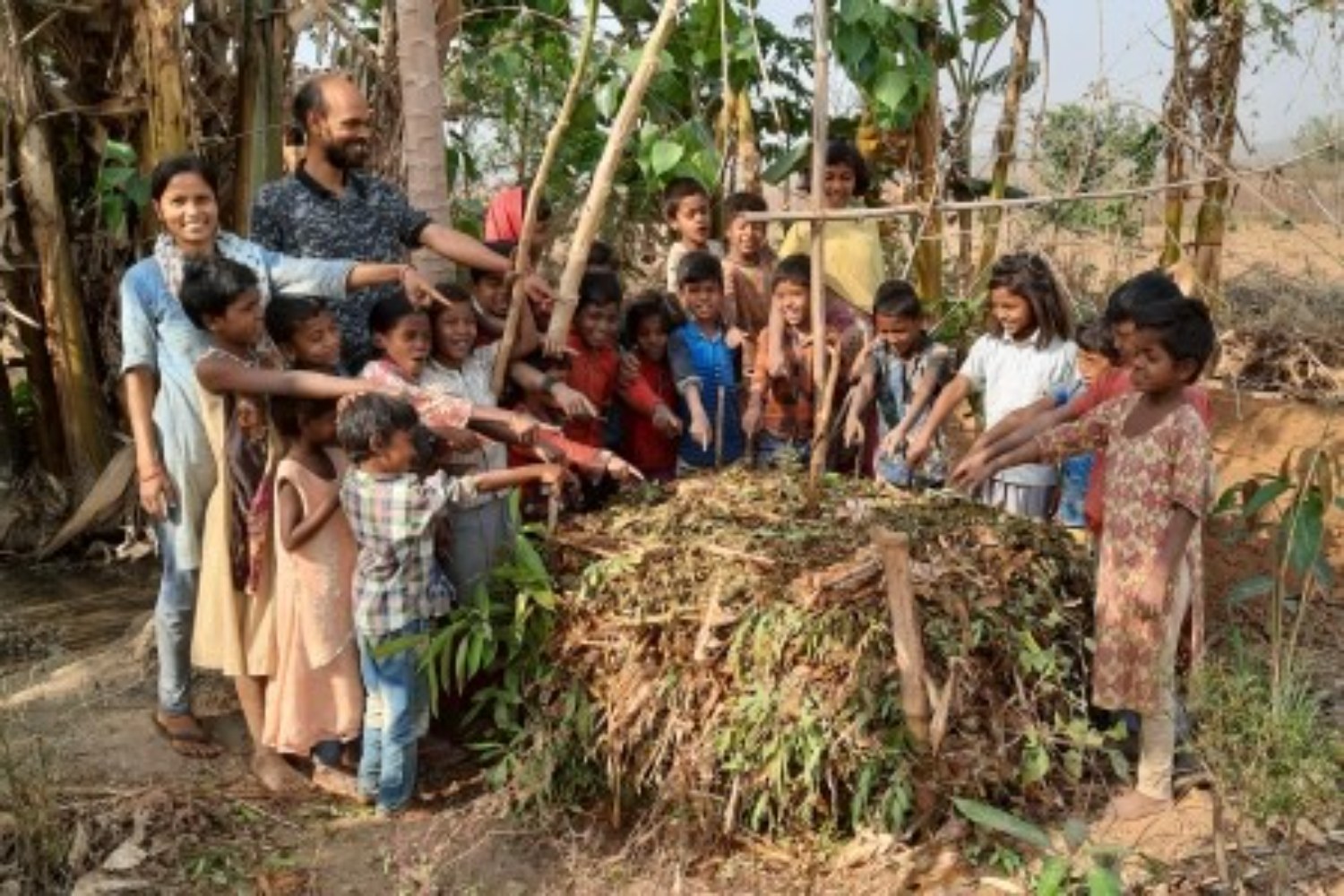
In agriculture, organic and natural farming are practiced, and indigenous seeds are used. We also try to conserve indigenous seeds of vegetables, grains, and lentils. We plant trees of indigenous species. All the children participate and are involved in all of these activities. Another way in which we, at Sahodaya, try to foster an alternative way of learning is by exploring, examining, and expanding our perceptions and horizons. Travelling is a very regular activity of Sahodaya. In the last four years, the Sahodaya community, comprising facilitators and some children, travelled to various places, particularly villages and other places where similar alternative constructive activities are being practiced.
They travelled in the states of Odisha, Delhi, Rajasthan, Chhattisgarh, Andhra Pradesh, Uttar Pradesh, Tamil Nadu, Pondicherry, Karnataka, and Maharashtra. In 2021 and 2022, Rekha and Anil, along with eight children, had the longest tour of almost three months in South India and a one-month-long tour in Maharashtra.
Travel bridges the gap between self and the other in fulfilling ways. Community-based coexistence, living and co-evolving in a close relationship with nature, giving primacy to collective actions, experiences, and explorations, conserving and celebrating local language, food, and seeds, and exploring, examining, and expanding perceptions and existence through travelling constitute Sahodaya.
Children here study textbooks prescribed at government schools at their own pace, at their own fixed timing and spaces, but in groups. They also read books and magazines from other publications, like Eklavya, Ektara, Children’s Book Trust, National Book Trust, Kalpavriksh, and others.
Mostly, children ask their more experienced companions if they need to clarify anything in/about the texts. There is no fixed teacher who sits with them all the time while they study to monitor them. Children ask the facilitators when they feel like it. The facilitators explain and clarify concepts or questions in the books that children find difficult to comprehend.
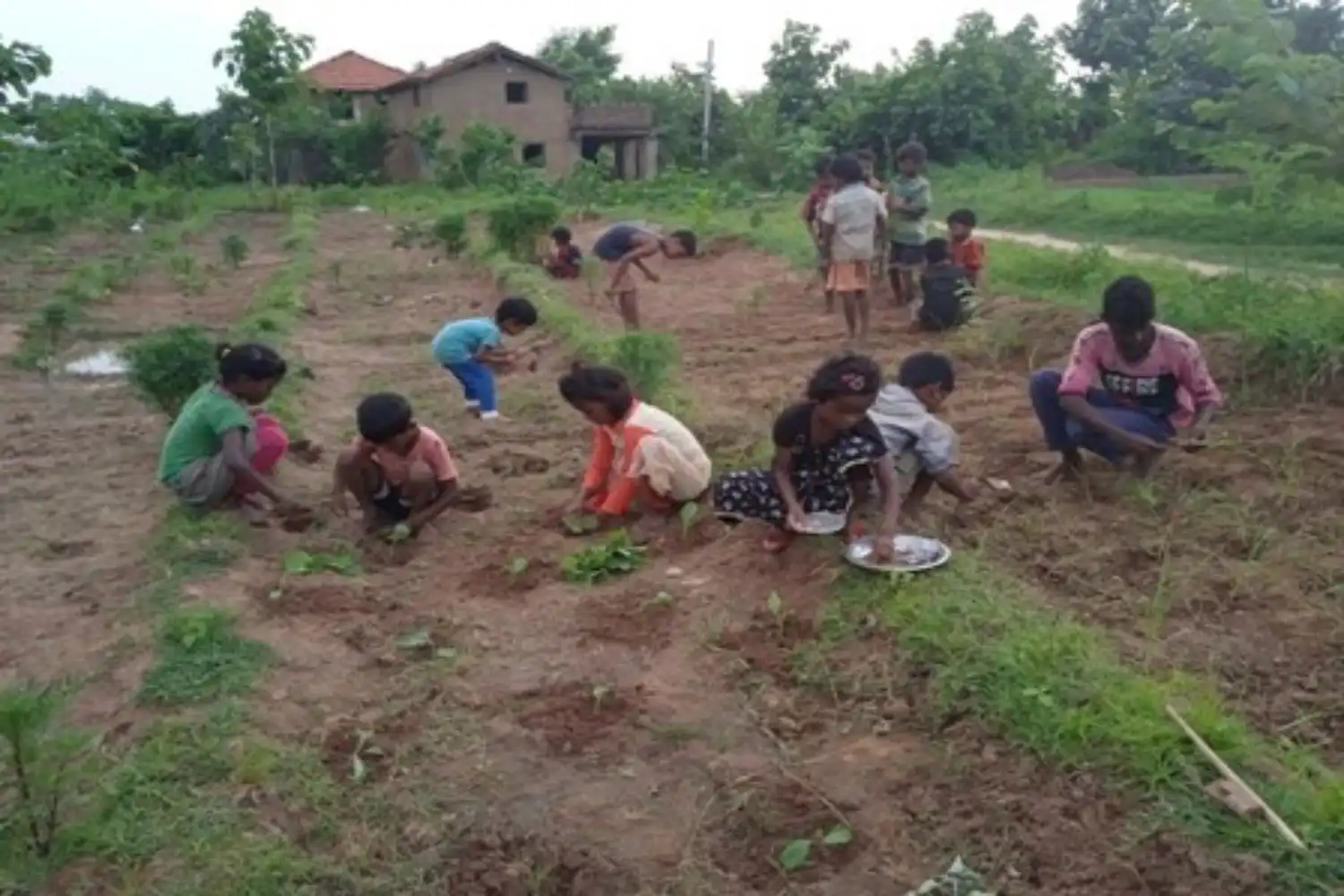
With this method, children study with their group, with the least sense of fear and competition. No child here compares themselves with anyone. Children write their diaries in their local language, Hindi, and English about what they do and experience every day at Sahodaya. Children also write poems, songs, stories, and narratives of their experiences of forests, villages, and other organizations when they visit these.
Local community and public education
The Sahodaya team has always been actively engaged with the local community of Kohabari village, which is, for the most part, their second home. We also work with villagers to respond to the problems and challenges of the village. Our presence seems to strengthen the villagers’ confidence, stabilize their stay, and increase the village’s population. Earlier, when the Sahodaya team came to the village and started their work, the village was less densely populated, and even the inhabitants used to stay at the village irregularly. Before 2017, many villagers used to come to work on their Bhoodan land at Kohabari. But they used to go back to their village in the evenings, because of bad conditions of the roads, lack of electricity, forest animals, and conflicts with the Forest Department. The villagers and the Sahodaya team also experience conflicts with affluent villagers of neighboring villages due to land-related issues.
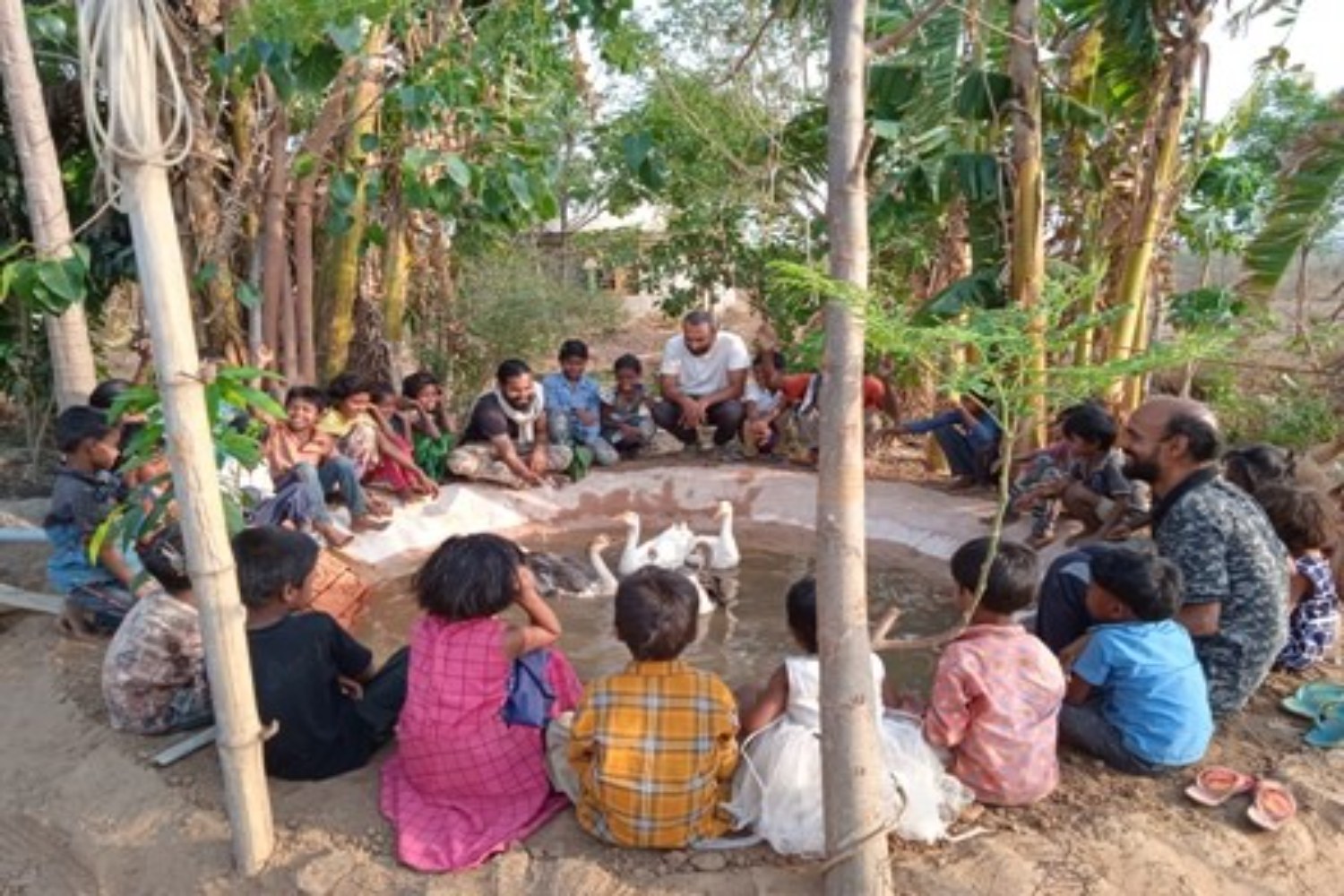
Earlier, no one wished to settle on the land surrounded by forests. But now, after some people from deprived communities started living there, and particularly when the Sahodaya team came and started working at the village, people from other neighboring villages started creating pressure and threatened the villagers and Sahodaya to vacate the land and leave. So far, both the villagers and the Sahodaya team have worked hard to support each other and tackle this problem. Anil from Sahodaya wrote several letters to many officers, including the District Magistrate, Commissioner, Chairman of the Board of Revenue, the Chief Minister, and the Human Rights Commission’s office, to solve this problem. But it remains unsolved. However, villagers and Sahodaya have been able to get documents for the land. They have prevented local affluent folk and powerful villagers from destabilizing both and forcing them into legal problems.
Even some elements of the local administration support these local affluent residents despite many media publications on these issues. However, villagers have now been feeling more determined than ever before to stay and respond to any problems in the village. For Sahodaya, it is an important part of the curriculum that children, along with the team, engage with the community and learn about and from them. Rekha and Anil, along with the children, hold regular interactive conversations with villagers, share their experiences, and seek their suggestions and feedback.
Children of Sahodaya regularly visit the village and talk to the villagers about their well-being and current engagements. Children have, so far, had long conversations with several villagers, particularly old ones, to understand the history of our local community, culture, and ecology. They ask villagers to share their experiences, knowledge, and wisdom on the issues of village life, including agriculture, family relations, gender system, community work, rural skills, education, medicine, environment, food system, and marriage. Villagers also share their views on how life was when they were kids, and how it is now.
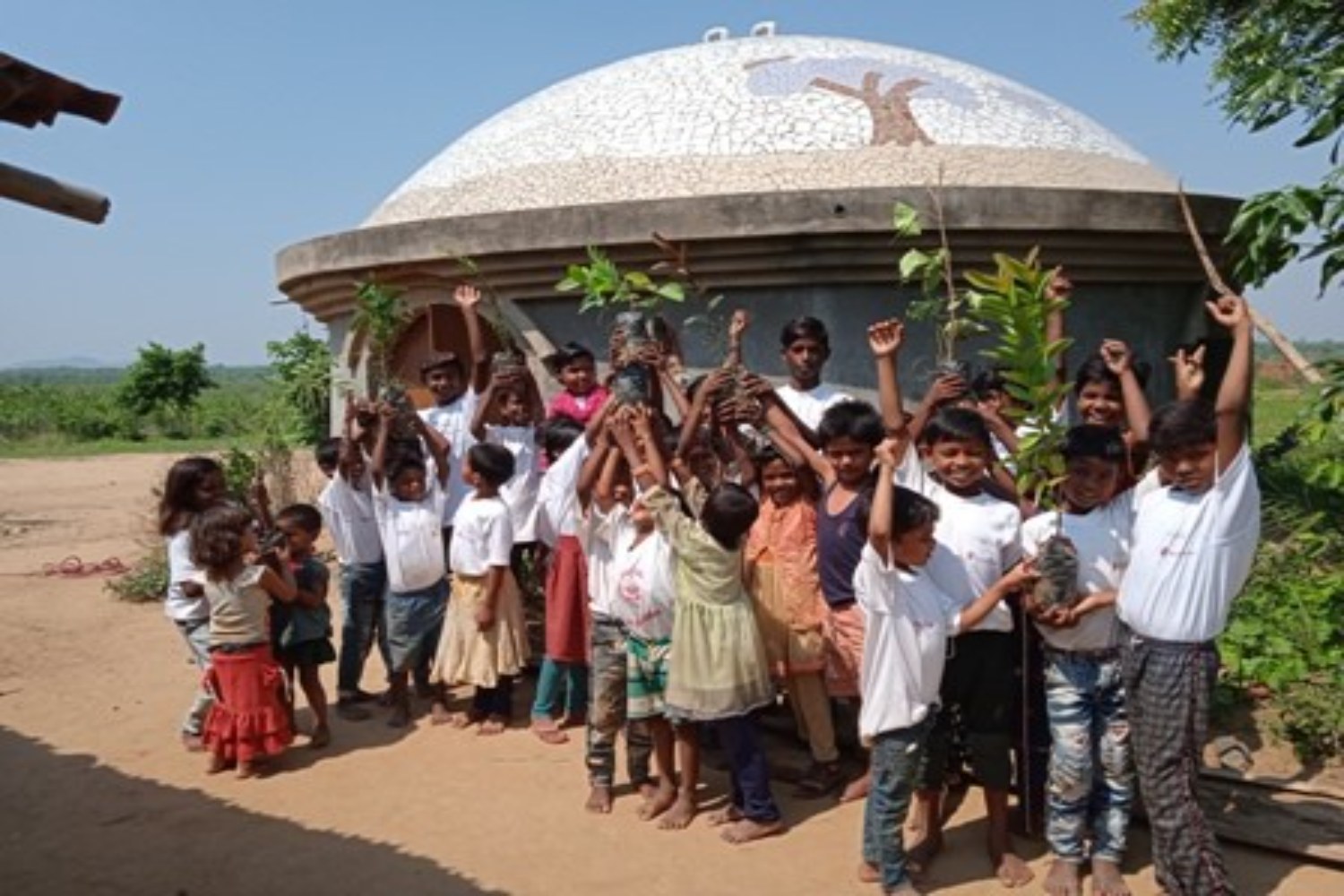
These conversations enlighten children but sadden them as well when they get to know the values of the local culture that we have lost and now need to imbibe and revive. These include chemical-free natural farming, relationships based on trust and solidarity in the community, simplicity of life, richness of local flora and fauna, and good food. These conversations, with the local community and villagers, educate the Sahodaya children more deeply and richly than books. Sahodaya’s work stems from the following understanding. Our education system needs to include the significance of collective physical involvement, activities, and experiences of children, with the world in general. Local natural environments, farms, and rural community life need to become a part of curricula.
The balance between head, hand, and heart and the real experiences of relation with the natural environment, community life, and collective activities will enable human beings to achieve much more in life than what pure, exclusive academic systems of education can provide.

Related Articles
By | April 30, 2026
By | February 6, 2026
No approved comments yet. Be the first to comment!